
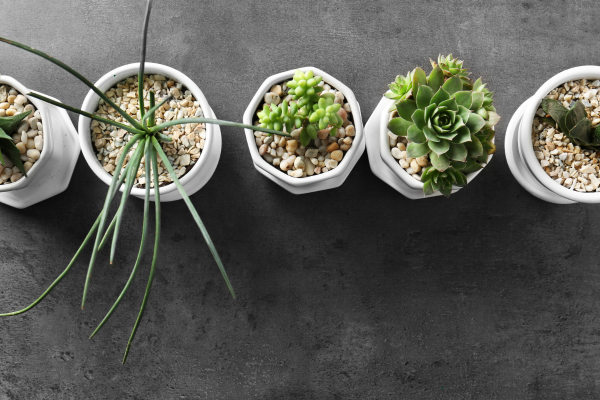
My “nursery” started as a single shelf by a window, then became a folding table in a spare corner, and eventually turned into a dedicated setup that now takes up a genuinely embarrassing amount of space in what used to be a guest room. I didn’t plan any of this deliberately, and looking back, I made a lot of avoidable mistakes along the way simply because I was reacting to space and plant count as they grew rather than thinking through what a proper propagation and growing setup actually needs from the start.
Why a Dedicated Setup Matters More Than It Seems
Scattering propagation attempts and young seedlings across whatever windowsills happen to be available might work fine for a handful of common succulents, but once you’re seriously propagating rare, sensitive species using the techniques discussed throughout this series, from leaf and offset propagation to hand-pollination and seed growing, having a dedicated space where you can control light, humidity, and airflow consistently makes a genuinely significant difference in success rates.
This doesn’t need to mean a full greenhouse or an expensive dedicated room, though some serious collectors do eventually invest at that level. Even a modest, thoughtfully organized shelf or table setup, designed with the specific needs of propagation and young plant care in mind, outperforms a scattered approach where cuttings and seedlings compete for space and attention alongside an established, mature collection with very different care requirements.
Lighting Your Propagation Space
Consistent, appropriate lighting matters enormously for a home nursery setup, and this is an area where relying purely on natural window light often falls short, for the same reasons discussed in The Ideal Light Requirements for Rare Succulent Species. Grow lights, covered in more detail in Using Grow Lights for Succulents With No Natural Sunlight, become particularly valuable in a dedicated nursery setup, since they allow you to provide the gentler, filtered light that new cuttings and seedlings need during their early, vulnerable stages, separate from the stronger direct light that mature specimens in your main collection might require.
Setting up separate lighting zones, one calibrated for the gentler needs of rooting cuttings and young seedlings, and another for more established, light-hungry mature plants, tends to work better than trying to find a single compromise lighting setup that serves both stages adequately but neither particularly well.
Managing Humidity and Airflow Together
Propagation, particularly the early rooting stages discussed in How to Propagate Rare Succulents Without Killing Them, often benefits from slightly elevated humidity compared to what established, mature succulents typically want, since developing roots and healing wound sites tend to do better without the risk of complete desiccation that very low humidity can cause during this vulnerable period. At the same time, that elevated humidity needs to be balanced carefully against airflow, since stagnant, humid air significantly increases fungal and rot risk, particularly with multiple cuttings and seedlings positioned closely together.
Many home nursery setups use some form of small fan, positioned to provide gentle, consistent air movement without directly blasting delicate cuttings, alongside occasional misting or a humidity tray, similar to the pebble tray approach discussed in Humidity Control for Succulents in Dry Climates, to strike a workable balance between adequate moisture and the airflow needed to prevent that moisture from becoming a problem.
Organizing by Growth Stage and Care Needs
One of the more practical lessons I learned the hard way involves organizing a nursery space by growth stage and care requirements rather than simply by species or however plants happen to arrive. Newly taken cuttings in their callusing stage, actively rooting cuttings needing light misting, established young seedlings ready for a more normal watering routine, and mature plants ready to move into the main collection all have genuinely different care needs, and keeping them physically separated, even within a fairly small overall space, makes it considerably easier to water, mist, and monitor each group appropriately without accidentally applying the wrong care routine to the wrong stage.
This kind of organization becomes especially important once a nursery setup grows beyond a handful of plants, since it’s easy to lose track of which cutting was taken when, or which seedling batch is ready for its first repotting, without some kind of structured layout or simple labeling system to keep everything straight.
Choosing Appropriate Containers and Trays
Small, individual pots work fine for larger cuttings and established offsets, but for seed-grown seedlings especially, many growers find shallow, wide propagation trays more practical during the earliest growth stages, allowing multiple seedlings to grow in the same container until they’re large enough to handle individual transplanting without excessive root disturbance. This connects back to the soil considerations discussed in How to Create the Perfect Soil Mix for Delicate Succulents, though propagation and seedling trays often benefit from an even more consistent, fine-textured mix than what’s appropriate for mature, established plants, since very young root systems are considerably more delicate and benefit from finer soil particles that don’t create large air gaps around developing roots.
Whatever containers you choose, ensuring genuinely adequate drainage remains just as important at this stage as with mature plants, discussed at length in Best Pots and Containers for Rare Succulent Collections, since young, vulnerable root systems are, if anything, even less tolerant of waterlogged conditions than established plants.
Temperature Stability in a Nursery Setup
Young cuttings, seedlings, and freshly grafted plants tend to benefit from more temperature stability than mature, established specimens might require, since the temperature fluctuation stress discussed in How Temperature Fluctuations Affect Rare Succulent Health can compound with the existing vulnerability of new growth in ways that mature, more resilient plants handle better. Positioning a dedicated nursery space away from drafty windows, exterior doors, or heating and cooling vents that create localized temperature swings tends to produce more consistent, reliable results than a space subject to the kind of fluctuation an established collection might tolerate without issue.
Record-Keeping as Part of Your Setup
A home nursery, once it grows beyond a few plants, benefits enormously from some system of tracking what’s actually happening with each propagation attempt or seedling batch, whether that’s a simple written log, labeled tags, or a spreadsheet noting dates, parent plants, and any relevant details about a specific cross or cutting. This kind of record-keeping becomes particularly valuable for anyone attempting the hand-pollination techniques discussed in Hand-Pollinating Succulents to Create New Hybrids, where tracking which specific plants contributed to a given cross matters considerably for understanding and evaluating the resulting seedlings later on.
Beyond hybridizing specifically, simple records of when cuttings were taken, when they were first watered, and how they progressed help build exactly the kind of species-specific knowledge discussed throughout this series, turning scattered individual experiences into a genuinely useful reference you can consult the next time you’re propagating the same or a similar species.
Scaling Your Setup Over Time
Most home nurseries, mine included, grow organically rather than according to any careful initial plan, and that’s genuinely fine as long as you’re periodically reassessing whether your current setup still serves your actual needs rather than just expanding haphazardly in whatever direction has available space. Revisiting your lighting coverage, airflow, and organizational system every so often as your propagation activities and collection grow helps prevent the kind of overcrowded, poorly ventilated situation that becomes considerably harder to fix once dozens of cuttings and seedlings are already established in a space that’s outgrown its original design.
Building a nursery setup, ultimately, is less about achieving some ideal, finished configuration and more about creating a space that genuinely supports the patient, careful propagation techniques this hobby demands, adjusting and expanding it as your own skills, interests, and collection continue to develop over time.
