
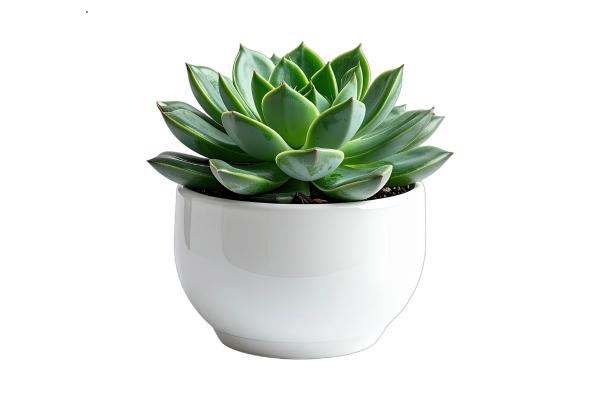
For a long time, I treated pot choice as basically a decorating decision, something to think about after the plant care was already sorted. It took losing a genuinely expensive Haworthia to root rot, in soil that should have worked fine, to realize the pot itself was the actual problem. It was a beautiful glazed ceramic container, the kind that photographs well for a plant shelf, and it also happened to be exactly the wrong choice for a slow-growing, moisture-sensitive plant. Pot material and design aren’t cosmetic details with rare succulents. They’re a core part of the growing environment, right alongside soil and light.
Material Matters More Than It Seems
Unglazed terracotta remains the gold standard for most rare, moisture-sensitive succulents, and the reason comes down to simple physics rather than tradition. Terracotta is porous, allowing moisture to evaporate through the pot walls themselves in addition to drainage through the bottom, which means soil in a terracotta pot dries out meaningfully faster than the same soil in a non-porous container of identical size and drainage holes. For species where overwatering is the primary threat, which describes the vast majority of the rare succulents we’ve discussed throughout this series, that extra evaporation pathway provides a real margin of safety.
Glazed ceramic pots, by contrast, look attractive and come in far more design variety, but they function essentially like plastic in terms of moisture retention, since the glaze seals the porous clay underneath and prevents the evaporation benefit that makes raw terracotta so useful. This doesn’t make glazed ceramic pots unusable, but it does mean watering needs to be adjusted more conservatively, and soil composition needs to lean even more toward fast-draining mineral content, discussed in How to Create the Perfect Soil Mix for Delicate Succulents, to compensate for the pot’s lack of natural evaporation.
Plastic pots sit at a similar moisture-retention level to glazed ceramic, though they’re considerably lighter and often cheaper, which makes them a reasonable practical choice for growers managing large collections where cost and ease of handling matter, provided watering habits and soil mix account for the slower drying time.
Drainage Holes Aren’t Optional
This might seem obvious, but it’s worth stating directly because decorative pots without drainage holes are everywhere, and they’re genuinely unsuitable for almost any succulent, rare or common. A single small drainage hole at the bottom center of a pot isn’t quite as effective as multiple holes distributed across the base, since water can pool in low spots away from a single central opening, particularly in larger pots. For rare species where root rot risk is already elevated due to slow growth and sensitivity, prioritizing pots with generous, well-distributed drainage is one of the simplest, most impactful decisions a grower can make.
If a genuinely beautiful pot without adequate drainage is something you want to use for display purposes, the safer approach is keeping the plant in a simpler, well-draining nursery pot that then sits inside the decorative outer pot, sometimes called a cachepot arrangement, rather than planting the rare specimen directly into the decorative container itself.
Sizing Pots Appropriately for Slow Growth
Rare succulents, especially the slow-growing species we’ve discussed throughout this category, don’t need to be repotted into progressively larger containers nearly as often as faster-growing plants, and oversizing a pot too early is a common mistake that creates ongoing moisture problems. A pot that’s considerably larger than a plant’s current root system holds a proportionally larger volume of soil, which takes longer to dry out and effectively increases the risk of prolonged wet conditions around roots that aren’t extensive enough yet to take up that much moisture.
The general guideline of choosing a pot only slightly larger than the plant’s current root ball, rather than sizing up generously to “give it room to grow,” applies especially strongly to slow-growing rare species, where that extra room might not actually get filled with roots for a year or more, during which time the excess soil volume simply stays wet longer than intended after each watering.
Depth Considerations for Different Root Types
Not every succulent has the same root structure, and pot depth should reflect that rather than defaulting to whatever shape happens to be available or fashionable. Species with shallow, spreading root systems, common among many Haworthias and Lithops that naturally grow nestled just below the soil surface in rocky habitat, generally do better in shallower, wider pots that match their natural growth pattern rather than deep pots that leave excess soil sitting unused beneath the root zone.
Caudiciform plants and species with substantial taproots, on the other hand, genuinely need deeper containers that accommodate their root structure without cramping or forcing unnatural bending, since restricting these root types can meaningfully affect the plant’s long-term health and its ability to develop the swollen caudex or taproot that makes many of these species so visually distinctive in the first place.
Considering Airflow and Placement Alongside Pot Choice
Pot choice doesn’t function in isolation from where that pot actually sits, and this connects back to the humidity considerations we discussed in Humidity Control for Succulents in Dry Climates. A porous terracotta pot placed in a spot with poor airflow won’t dry out as effectively as the same pot situated somewhere with good air circulation, since evaporation depends partly on air movement around the pot’s exterior surface, not just the pot material itself. Grouping many pots closely together on a shelf, while sometimes done for aesthetic or space reasons, can reduce this airflow enough to meaningfully undercut the drainage benefits that a good pot choice would otherwise provide.
Special Considerations for Grafted and Top-Heavy Specimens
Certain rare succulents, including some of the grafted crested and monstrose forms we discussed in Monstrose and Crested Succulents: Genetic Mutations Explained, develop growth patterns that are notably top-heavy relative to their root system and pot size. These specimens benefit from heavier, more stable pot materials like terracotta or thick ceramic rather than lightweight plastic, which can tip over easily under the weight of unusual, asymmetrical top growth. A toppled pot doesn’t just risk cosmetic damage to the plant, it can seriously disturb or break a root system that, in the case of many slow-growing rare species, took years to develop to its current state.
Building a Container Strategy Rather Than Buying Pots Individually
Rather than selecting pots one at a time based purely on what looks good for a specific plant, it’s worth thinking about container choice as part of an overall growing strategy that accounts for your particular climate, watering habits, and the general moisture sensitivity of the specific species in your collection. Growers in naturally humid climates often lean more heavily on unglazed terracotta across their entire collection specifically to counteract ambient moisture, while growers in extremely dry, low-humidity environments might have more flexibility to use glazed ceramic or plastic without as much added rot risk.
None of this needs to happen all at once, and most collections evolve their container approach gradually as specific plants reveal, sometimes the hard way, what does and doesn’t work well in a given growing space. But approaching pot selection with the same intentionality given to soil, light, and watering, rather than treating it as an afterthought, tends to prevent exactly the kind of frustrating, preventable loss that comes from planting a genuinely rare, slow-growing specimen into a container that was working against its health from the very beginning.
