
I used to keep this argument going in my head every time I bought a new specimen, standing in front of a shelf of empty pots trying to decide which material was “correct” for a plant I’d just spent an uncomfortable amount of money on. For years I assumed there had to be one right answer, some definitive material that serious collectors used and everything else was a compromise. It took actually growing the same species in both materials, side by side, over multiple seasons, to realize the real answer is far less absolute than most care guides make it sound. Both materials are right, just for different plants, different climates, and different watering habits, and picking the wrong one for your specific situation causes more damage than picking either material in general.
This question comes up constantly in collector circles, often phrased as if it’s a simple binary choice with an obvious winner. It isn’t. The right pot material depends heavily on factors that have nothing to do with the pot itself, how humid your growing space is, how disciplined your watering habits actually are versus how you think they are, and what particular vulnerabilities the species in question tends to have.
How Terracotta Actually Behaves
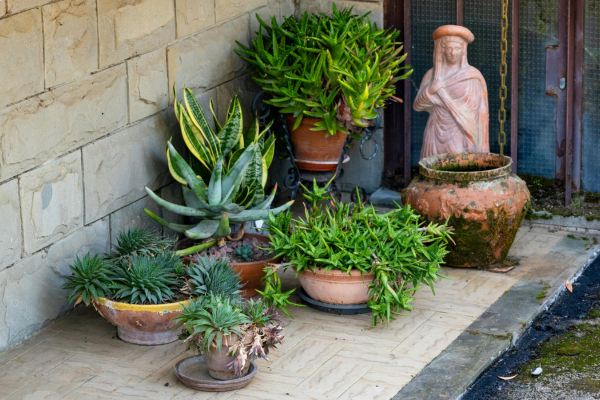
Terracotta’s defining characteristic is porosity. Unlike plastic, terracotta is unglazed and allows moisture to pass through the pot walls themselves, not just drain out the bottom. This means water evaporates from multiple surfaces at once, through the soil surface and through the sides of the pot, which speeds up overall drying time noticeably compared to an identical plastic pot with the same soil and plant.
For collectors who tend to water generously, or who live in humid climates where soil naturally stays damp longer, this extra evaporation is a genuine safety margin. I’ve relied on terracotta heavily for slow-growing, rot-prone species precisely because it gives me a bit of forgiveness if I misjudge a watering interval. The same logic applies to the fast-draining soil mixes discussed when I wrote about creating the perfect soil mix for delicate succulents; terracotta and a well-built mix work together, each addressing drainage from a slightly different angle, drainage through the pot walls versus drainage through the substrate itself.
The tradeoff is that terracotta dries out faster across the board, which isn’t always a benefit. In genuinely dry climates, or for species that prefer more consistent moisture than most succulents, terracotta can dry so quickly that watering needs to happen more often than is practical, and inconsistent moisture swings create their own stress. Terracotta is also heavier, more fragile if dropped, and prone to mineral buildup on its surface over time from dissolved salts in tap water, which some collectors find unsightly and others find genuinely informative as a visual cue about their water quality.
How Plastic Actually Behaves
Plastic pots are non-porous, which means all moisture loss happens through the drainage holes and soil surface evaporation alone. Water sticks around considerably longer in plastic than in an equivalent terracotta pot, which sounds like a disadvantage for succulents until you consider the collectors and conditions where that’s actually useful.
In dry, low-humidity environments, or during hot summer months when evaporation is already aggressive, plastic can prevent a plant from drying out dangerously fast between waterings, something that matters more than people expect for smaller pots, which have a disproportionately high surface-area-to-soil-volume ratio and dry out faster than their size would suggest. Plastic is also lighter, more resistant to breakage, and doesn’t develop the mineral crusting that terracotta does, though it can retain more heat if placed in direct sun, occasionally causing root temperatures to rise higher than the ambient air temperature would suggest.
The obvious risk with plastic is that it removes one of the built-in safety margins terracotta provides. A slightly late correction to an overwatering mistake, the kind of miscalculation I’ve written about when comparing signs of overwatering versus underwatering, has less room to self-correct in plastic than it does in a porous pot that’s actively wicking moisture away through its walls. For collectors who know their own watering habits tend to run generous, plastic can quietly compound that tendency into an actual rot problem.
Matching Material to Species and Circumstance
Rather than treating this as a single decision applied uniformly across a collection, I’ve found it far more useful to match material to the specific vulnerabilities of each plant. Extremely rot-prone species, certain Lithops and Conophytum varieties in particular, tend to do noticeably better in terracotta in my experience, since the added evaporation provides exactly the kind of forgiveness these unforgiving plants need. This connects to something worth understanding generally when choosing pots and containers for a rare succulent collection: pot choice isn’t just about size and drainage holes, material is an equally important variable that’s easy to overlook.
Species that prefer slightly more consistent moisture, or collections kept in already-dry indoor air, sometimes benefit more from plastic, particularly if that dryness is already being addressed through other means, similar to the humidity considerations I discussed when writing about controlling humidity for succulents in dry climates. Newly propagated cuttings and recently rooted plants, which typically need more consistent moisture during establishment than mature specimens, sometimes do better temporarily in plastic before being moved to terracotta once root systems are stronger and more resilient to moisture swings.
Being Honest About Your Own Habits
The most useful exercise I’ve found, more useful than any general rule about materials, is being honest about your actual watering behavior rather than your intended behavior. Collectors who consistently water more than they mean to are often safer defaulting to terracotta across most of their collection, since the material provides a built-in correction for a habit that’s difficult to change through willpower alone. Collectors who tend to forget about their plants for longer stretches than intended may find plastic keeps things from drying out dangerously during those lapses.
Neither material is inherently superior. The right choice comes down to matching the pot’s drying behavior to the specific plant, climate, and person doing the watering, and being willing to mix materials within a single collection rather than committing to one for everything. Some of my most reliably healthy plants are sitting in whichever material happened to correct for whatever mistake I was most likely to make with that particular species.
