
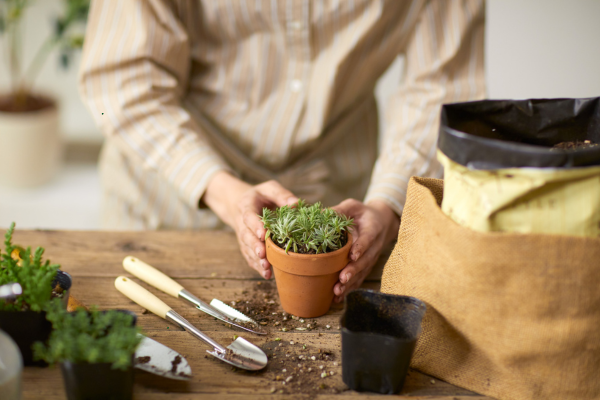
I put off repotting a rare Ariocarpus for almost two years longer than I should have, entirely out of fear. I’d read enough horror stories in collector forums, plants that seemed perfectly healthy going into a repot and then collapsed within weeks afterward, that I convinced myself the safest option was simply not to touch it. Eventually the plant made the decision for me, roots pushing so aggressively against the sides of its pot that drainage had essentially stopped working, and I had no choice but to deal with it. The repot itself went fine, better than fine actually, and looking back, my two years of avoidance had done more harm than the transplant I was so afraid of.
Transplant shock is real, and it does kill rare succulents with some regularity, but it’s rarely caused by the simple act of repotting. It’s almost always caused by how the repot is done, when it’s done, and what happens in the days and weeks immediately afterward. Understanding that distinction changes repotting from something to dread into a routine, manageable part of collection maintenance.
Why Repotting Goes Wrong
Succulent roots, particularly on rare, slow-growing species, are more fragile and less forgiving than most people expect. Unlike fast-growing plants that can regenerate damaged root tissue relatively quickly, many collector-grade succulents have root systems that take a genuinely long time to recover from injury. Every bit of unnecessary root damage during a repot, snapped root hairs, crushed root tips, torn fine roots, adds up, and a plant that loses too much root function at once can struggle to take up water and nutrients even when everything else about its environment is correct.
Timing compounds this risk considerably. Repotting a plant that’s in the middle of dormancy, for instance, is one of the more common mistakes I see, since a dormant plant’s already-reduced root activity leaves it even less equipped to recover from the disturbance. This ties directly into something worth understanding before attempting any repot: knowing whether your plant is in a period of seasonal dormancy rather than simply slow, steady growth. Repotting during active growth gives a plant the metabolic resources to recover quickly. Repotting during dormancy essentially asks an already-slowed system to do repair work it isn’t equipped for.
Overwatering immediately after a repot is another major contributor to failure, and an understandable one. New soil looks dry, the plant looks a little stressed from handling, and the instinct to water generously feels like the caring thing to do. In practice, it’s often the opposite. Freshly disturbed roots, especially ones with any degree of damage from the repotting process, are considerably more vulnerable to rot than established roots, and sitting them in damp soil right when they’re least equipped to handle it is a recipe for exactly the collapse collectors fear.
Preparing Before You Start
A successful repot starts well before you actually remove the plant from its old container. Soil should be prepared and ready in advance, ideally the same fast-draining mix I’ve described when writing about creating the perfect soil mix for delicate succulents, so the plant spends as little time as possible with exposed roots while you scramble to sort out a growing medium.
The new pot matters more than people initially assume too. Sizing up dramatically, on the theory that a bigger pot means less frequent future repotting, actually increases risk. Excess soil volume around a small root system holds more moisture than the roots can use, creating the same overwatering-adjacent rot risk discussed elsewhere on this site when it comes to choosing the right pots and containers for rare collections. A modest size increase, just enough to accommodate a season or two of root growth, is almost always the safer choice.
It’s also worth withholding water for several days before repotting, if the plant’s condition allows it. Slightly drier tissue is less brittle in some cases and, more importantly, a plant that’s already had a normal dry period going into the disturbance is less likely to be shocked by the drier post-repot period that follows.
The Repotting Process Itself
Removing a rare succulent from its existing pot deserves more patience than most people give it. Rather than pulling the plant out by its stem or foliage, which puts direct strain on the root-to-stem junction, it’s safer to gently loosen the surrounding soil, working around the edges of the pot until the entire root mass can be eased out with minimal resistance. For plants that have been in the same pot for a long time, this may take real patience, sometimes several minutes of careful, gradual loosening rather than a quick tug.
Once removed, resist the urge to aggressively clean off every trace of old soil unless there’s a specific reason to, such as suspected root rot or pest presence. Some collectors prefer a full bare-root approach for inspection purposes, and there’s a reasonable case for that when a plant’s root health is uncertain, but for an otherwise healthy specimen simply being sized up, gently removing loose soil while leaving the root structure largely intact reduces unnecessary handling and root breakage.
Any roots that do appear dead, dry, or clearly rotted should be trimmed with clean, sharp tools. This is a good moment to think about hygiene more broadly. Introducing pathogens through unclean tools during a repot, when roots are already exposed and vulnerable, is a genuinely avoidable risk, and it connects to the broader importance of quarantine and clean handling practices I’ve discussed when writing about quarantining new succulents before adding them to a collection. The same caution about cross-contamination applies just as much to established plants during routine maintenance.
The Critical Recovery Period
What happens in the first two to three weeks after repotting matters more than almost any other part of the process. The instinct to water right away should be resisted for most species, generally for at least several days to a week, giving any minor root damage time to callus over before it’s exposed to moisture. Watering too soon into fresh wounds is one of the more direct paths to post-repot rot.
Light should stay consistent with whatever the plant was acclimated to before the repot, rather than being treated as an opportunity to “upgrade” conditions. A freshly repotted succulent is already managing one significant stressor, sudden increases in light intensity on top of that add a second, and the combination is harder for a recovering plant to handle than either stressor alone would be.
Patience through this period is really the whole game. A rare succulent that sits without visible new growth for a month or more after repotting isn’t necessarily struggling, it may simply be doing quiet root establishment work beneath the soil surface before any above-ground progress becomes visible. Resisting the urge to intervene further, more water, more fertilizer, a location change, during this window gives the plant the stable conditions it actually needs to settle in successfully.
