
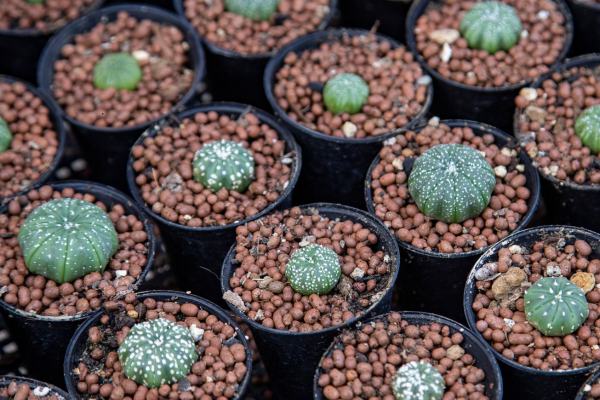
The first time I attempted a micro-cutting on a genuinely slow-growing Haworthia, I approached it exactly the way I’d approach propagating a fast, forgiving Echeveria, take a decent-sized leaf, let it callus, set it on soil, wait. Nothing happened for months. Not rot, not growth, just a slowly desiccating leaf that eventually shriveled into nothing without ever producing a single root. It took a conversation with a far more experienced Haworthia grower to understand that the entire approach needed to change for plants this slow, that the standard leaf-and-wait method most succulent propagation advice assumes simply doesn’t translate to species operating on a fundamentally different growth timescale.
Micro-cutting, taking small, precise cuttings rather than large leaves or offsets, is a technique that becomes increasingly necessary as you move into genuinely slow-growing, rare species where standard propagation methods either don’t work well or waste far too much valuable plant material in the process. It requires more precision and patience than typical succulent propagation, but it’s also often the only practical way to multiply certain species that don’t produce offsets readily and don’t propagate reliably from full leaves.
Why Standard Methods Fail on Slow Growers
Most common succulent propagation advice is built around species that grow relatively quickly and can afford metabolic risk-taking, an Echeveria leaf that fails to root has cost the parent plant very little in the way of resources or setback. Extremely slow-growing species operate under a completely different calculus. Every leaf, every bit of tissue, represents a disproportionately large investment of the plant’s limited resources and years of accumulated growth. Taking a large cutting from a slow grower risks stressing the parent plant significantly for a propagation attempt that, using standard methods, often has a lower success rate to begin with, since these species’ cellular structure and growth hormones don’t always respond to the same cues that trigger rooting in faster-growing succulents.
This is closely related to something worth understanding about these species more generally, their seasonal dormancy patterns, since attempting any propagation, micro-cutting included, during a dormant period compounds an already difficult process with a plant that’s metabolically unequipped to support new root development in the first place. Timing matters more here than with faster, more forgiving species, where propagation attempts made at a slightly suboptimal time often still succeed through sheer growth momentum that slow growers simply don’t have.
What Micro-Cutting Actually Involves
Rather than taking a full leaf or a large offset, micro-cutting involves taking the smallest viable piece of tissue that still contains the growth points necessary to develop into a new plant, often a small basal cutting that includes a sliver of the plant’s growing point or meristem tissue, rather than an entire leaf removed at its base. This minimizes the resource cost to the parent plant considerably compared to a full leaf cutting, while still providing the cutting itself with the specific tissue most capable of generating new growth.
The tools and precision required are considerably more demanding than standard leaf propagation. A sterile, extremely sharp blade, rather than the twist-and-pull method commonly used for larger leaf cuttings, is essential, since slow-growing species’ tissue is often more easily damaged by tearing than cut cleanly, and any unnecessary cell damage at the cut site both slows healing and increases infection risk considerably. This is where the same hygiene principles discussed when writing about repotting rare succulents without triggering transplant shock apply with even more urgency, clean tools and minimal unnecessary tissue damage matter enormously when working with cuttings this small and slow to recover.
Callusing and Rooting Adjustments for Slow Species
The callusing period, allowing the cut surface to dry and seal before attempting to root the cutting, needs to be handled with more nuance for slow-growing species than the standard advice of a few days typically assumes. Smaller cuttings callus faster than large leaves in absolute terms, simply because there’s less cut surface area to seal, but the actual rooting process afterward often takes dramatically longer, sometimes months rather than weeks, and requires considerably more patience before concluding an attempt has failed.
Humidity and moisture management during this rooting period also needs recalibration. Standard advice for succulent propagation generally emphasizes keeping cuttings quite dry until roots are well established, which remains true here, but slow-growing species’ extended rooting timeline means the margin for error around occasional light misting, enough to prevent the tiny cutting from desiccating entirely during a multi-month rooting attempt without encouraging rot, becomes a much finer balance than it is for a fast-rooting Echeveria cutting that only needs to survive a few weeks of uncertainty.
Realistic Expectations and Success Rates
It’s worth being honest that micro-cutting success rates for genuinely slow-growing, rare species are lower than the success rates most collectors are used to from easier succulents, and that failed attempts don’t necessarily indicate a technique error so much as the inherent difficulty of propagating these species at all. Taking multiple small cuttings from the same parent plant, when the parent can spare it, rather than betting everything on a single attempt, improves overall odds considerably, since even experienced growers working with difficult species typically expect only a portion of attempts to succeed.
Patience extends well past the initial rooting period too. A successfully rooted micro-cutting of a slow-growing species will, unsurprisingly, continue growing slowly, sometimes taking years to reach a size resembling a mature specimen. This is simply the tradeoff inherent to working with species chosen and valued specifically for characteristics tied to slow, deliberate growth, the same patience the plant requires in every other stage of its life applies just as fully to how it needs to be propagated.
Why This Technique Is Worth Learning
For collectors focused on genuinely rare, slow-growing species, learning proper micro-cutting technique opens up propagation possibilities that standard methods simply can’t reach, multiplying valuable specimens without risking significant, disproportionate damage to an irreplaceable parent plant. It requires more precision, more patience, and a willingness to accept a lower success rate than propagating easier succulents, but for the plants where it’s the only realistic option, it’s a skill worth developing carefully rather than avoiding out of frustration with early failed attempts, the kind of failed attempt I had with that first Haworthia leaf, which taught me more about why the standard method doesn’t apply here than a successful attempt ever would have.
