
I bought what I thought was a species, paid a species-adjacent price for it, and only realized months later, after actually digging into the plant’s naming, that I’d purchased a specific named cultivar with its own breeding history and market value entirely distinct from the wild species it resembled. The seller hadn’t been dishonest exactly, the listing technically included the cultivar name in small text, but I hadn’t understood at the time what that distinction actually meant or why it mattered. It was a cheap lesson in the scheme of things, but it made clear how much confusion exists around succulent naming, and how much that confusion can cost collectors who don’t take the time to sort it out.
Species names and cultivar names look similar on a plant tag, often sitting right next to each other in a listing, but they represent fundamentally different things, and understanding the difference is one of those pieces of foundational knowledge that quietly affects almost every other decision a serious collector makes, from what a plant is actually worth to how it should be propagated to what care information is even relevant to it.
What a Species Name Actually Tells You
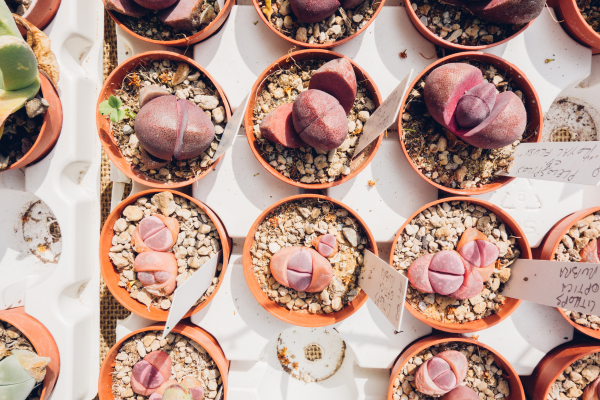
A species name, written in the standard binomial format of genus followed by species, describes a naturally occurring population of plants that share consistent genetic characteristics and, typically, a defined native range. When a plant is labeled simply with a species name, Lithops optica, for instance, that name is describing the wild-type plant as it occurs in nature, or a cultivated specimen grown from seed that maintains those same natural characteristics without any deliberate selective breeding for unusual traits.
Species names come with a certain baseline of predictability. Care information, growth patterns, dormancy timing, mature size, all of these tend to be reasonably consistent across a species, since the name itself is anchored to a natural population rather than an individual plant’s specific genetic quirks. This is part of why understanding dormancy patterns or growth habits at the species level is generally reliable information, it reflects something true about the broader population, not just one specimen.
What a Cultivar Name Actually Represents
A cultivar name is something entirely different. It refers to a specific, deliberately selected or bred variant that’s been chosen for particular traits, unusual coloration, distinctive variegation, an especially compact growth habit, and then propagated specifically to preserve those traits, almost always through vegetative propagation such as cuttings, division, or grafting rather than seed. Cultivar names are typically presented in single quotes following the species or genus name, something like Echeveria ‘Black Prince’, and that formatting distinction is the tag-level clue that you’re looking at a specific selected variant rather than a wild-type species.
The critical thing to understand is that a cultivar’s defining traits usually cannot be reliably reproduced from seed. Seeds from a variegated cultivar, for example, will typically produce a mix of offspring, some variegated, many not, because variegation and many other prized cultivar traits are frequently the result of genetic instability or chimeral tissue arrangements rather than straightforward heritable genetics. This connects to something worth understanding in more depth if you’re working with visually unstable plants: how chimeral variegation patterns behave differently from stable, predictable coloration, and why that instability directly limits how a cultivar can be propagated reliably.
This is also why cultivars are almost always more expensive than the species they’re derived from. A named cultivar represents not just an interesting individual plant but a specific, limited genetic line that can only expand through careful vegetative propagation, which is inherently slower and more resource-intensive than growing a species from seed at scale.
Why This Distinction Affects Price So Directly
Understanding the species-versus-cultivar distinction is directly relevant to something I touched on when writing about some of the highest recorded succulent sale prices in collector history: nearly every genuinely high-value sale in this hobby involves a named cultivar rather than an ordinary species specimen, precisely because cultivars carry the kind of documented, limited-supply rarity that species-level plants generally don’t.
This means a plant tag that only lists a genus and species, without any cultivar name in quotes, should generally be priced closer to ordinary market rates for that species, even if the individual specimen happens to look particularly nice. A premium price attached to an unnamed plant, without a documented cultivar designation or clear provenance explaining the rarity, is worth questioning rather than assuming.
How to Read a Plant Label Correctly
A properly formatted, informative label should include the genus, the species if known, and the cultivar name in single quotes if the plant is in fact a specific named cultivar rather than a wild-type specimen. Something like Haworthia cooperi ‘Snow White’ tells you clearly that you’re looking at a cultivar bred or selected from within the Haworthia cooperi species, rather than the species in its natural, unselected form.
Watch for listings that use vague or invented naming without any clear cultivar designation, terms that sound distinctive but don’t correspond to any documented, recognized cultivar. This kind of naming is common with newer or less scrupulous sellers looking to justify a premium price without the plant actually representing a documented, stable cultivar line. When in doubt, it’s worth researching whether a specific cultivar name shows up in established collector communities, breeder registries, or auction history, since a genuinely established cultivar will typically have some documented trail, while an invented name usually won’t.
Why This Knowledge Pays Off Beyond Just Pricing
Beyond simply avoiding overpaying, understanding whether you’re growing a species or a cultivar changes practical care decisions too. If you’re hoping to propagate a plant and preserve its most distinctive traits, knowing that those traits are cultivar-specific and won’t reliably come through from seed saves considerable disappointment and wasted effort. It also affects how you think about a plant’s long-term value within a collection, a well-documented cultivar generally holds and appreciates in value more predictably than an unnamed specimen, however attractive that specimen might be.
Taking the time to actually understand a plant’s proper name, rather than treating the tag as decorative detail, is a small habit that pays off consistently, in what you pay, in how you propagate, and in how accurately you can describe and value your own collection down the line.
