
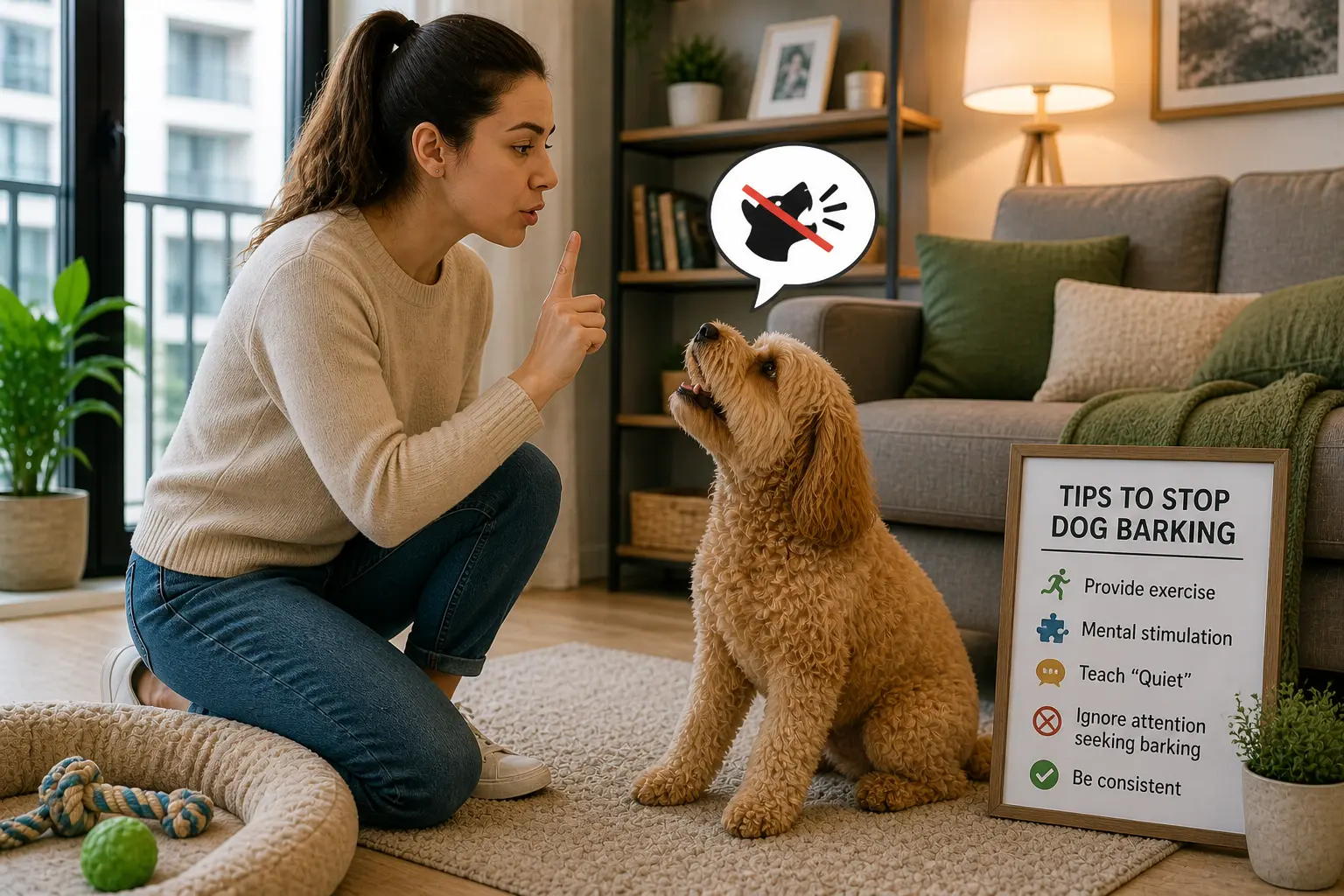
One of the biggest challenges of owning a dog in an apartment is dealing with barking. While barking is a natural way for dogs to communicate, excessive barking can quickly become a serious problem in shared living spaces. It can lead to complaints from neighbors, stress for the owner, and even conflicts with building management.
Many dog owners feel frustrated when they cannot control their dog’s barking, especially when it happens frequently or at inconvenient times. However, barking is not a random behavior. It always has a cause, and understanding that cause is the first step toward solving the problem.
In this article, you will learn why dogs bark in apartments, how to identify the root of the behavior, and practical strategies to reduce and control excessive barking effectively.
Why Dogs Bark in Apartments
Before trying to stop barking, it is essential to understand why it happens. Dogs bark for specific reasons, and each one requires a different approach.
Attention-Seeking Behavior
Many dogs bark simply because they want attention. If barking results in the owner responding—whether positively or negatively—the dog learns that barking is an effective way to get noticed.
This behavior is common in dogs that feel ignored or lack interaction throughout the day.
Boredom and Lack of Stimulation
Dogs that do not receive enough physical or mental stimulation often bark out of boredom. In apartments, where space is limited, this is a frequent issue.
Without activities to keep them engaged, dogs may bark to release energy or express frustration.
Separation Anxiety
Some dogs experience anxiety when left alone. This can lead to excessive barking, whining, or even destructive behavior.
Separation anxiety is especially common in dogs that are highly attached to their owners.
Territorial Behavior
Dogs may bark when they hear noises in hallways, see people passing by, or detect unfamiliar sounds. This is a natural protective instinct, but it can become problematic in apartments.
Fear or Stress
Loud noises, unfamiliar environments, or sudden changes can cause dogs to bark out of fear. This type of barking is often accompanied by nervous body language.
Identifying the Cause of Barking
Stopping barking effectively requires identifying its root cause. Treating the symptom without understanding the reason will not solve the problem.
Observe When the Barking Happens
Pay attention to the situations in which your dog barks. Is it when you leave the house, when someone passes by, or when the dog is alone for long periods?
Understanding patterns helps you pinpoint the trigger.
Analyze Your Dog’s Environment
Look at your dog’s daily routine. Does it get enough exercise? Does it have toys or activities? Is it left alone for extended periods?
Environmental factors often play a major role in barking behavior.
Recognize Emotional Triggers
Dogs communicate emotions through behavior. Identifying whether the barking is caused by boredom, anxiety, or excitement is essential for choosing the right solution.
Effective Ways to Stop Dog Barking
Once you understand the cause, you can start applying strategies to reduce barking. Consistency is key in this process.
Provide Enough Physical Exercise
A tired dog is a quiet dog. Regular walks and playtime help release excess energy and reduce the likelihood of barking.
Even low-energy dogs need daily physical activity to stay balanced.
Increase Mental Stimulation
Mental stimulation is just as important as physical exercise. Puzzle toys, training sessions, and interactive games keep your dog engaged.
A mentally stimulated dog is less likely to bark out of boredom.
Ignore Attention-Seeking Barking
If your dog barks for attention, avoid reinforcing the behavior. Do not respond immediately. Wait until the dog is calm before giving attention.
This teaches the dog that calm behavior is more rewarding than barking.
Teach the “Quiet” Command
Training your dog to understand a “quiet” command can be very effective. Start by allowing the dog to bark, then gently interrupt and reward silence.
Consistency and positive reinforcement are essential for success.
Desensitize Your Dog to Triggers
If your dog barks at specific sounds or situations, gradual exposure can help reduce sensitivity. For example, playing recorded noises at a low volume and increasing it over time can help your dog become less reactive.
Use Positive Reinforcement
Reward your dog for calm behavior. Treats, praise, and affection reinforce the idea that being quiet leads to positive outcomes.
Avoid punishment, as it can increase anxiety and worsen the problem.
Managing Barking When You Are Not Home
One of the most challenging situations is when your dog barks while you are away.
Create a Comfortable Environment
Make sure your dog feels safe when alone. Provide a comfortable bed, toys, and familiar items that carry your scent.
Leave Interactive Toys
Toys that release treats or require problem-solving can keep your dog occupied and reduce boredom.
Gradual Departure Training
Practice leaving your dog alone for short periods and gradually increase the duration. This helps reduce separation anxiety.
Avoid Emotional Goodbyes
Making a big deal when leaving or returning home can increase anxiety. Keep your departures and arrivals calm and neutral.
Common Mistakes That Make Barking Worse
Many owners unintentionally reinforce barking behavior. Avoiding these mistakes is crucial.
Yelling at the Dog
Shouting may seem like a way to stop barking, but dogs often interpret it as participation, which can encourage more barking.
Inconsistent Training
If rules change frequently, the dog becomes confused. Consistency is essential for effective training.
Lack of Routine
Dogs need structure. An unpredictable routine can lead to stress and increased barking.
Ignoring the Root Cause
Treating barking without addressing its cause will only provide temporary results.
When to Seek Professional Help
In some cases, barking may be difficult to manage without professional assistance.
Severe Separation Anxiety
If your dog shows signs of distress when left alone, a professional trainer or behaviorist may be needed.
Aggressive Behavior
If barking is accompanied by aggression, it is important to seek expert guidance.
Persistent Issues
If you have tried multiple strategies without success, professional help can provide a tailored solution.
Creating a Quiet and Balanced Apartment Environment
Reducing barking is not just about training—it is about creating a balanced lifestyle for your dog.
Establish a Routine
Consistency in feeding, walking, and playtime helps your dog feel secure.
Provide Adequate Stimulation
Both physical and mental stimulation are essential for preventing boredom and frustration.
Maintain a Calm Environment
A peaceful environment helps your dog remain relaxed and less reactive to external stimuli.
Final Thoughts
Excessive barking in apartments can be a challenging issue, but it is not impossible to solve. The key is understanding why your dog is barking and addressing the root cause with patience and consistency.
By providing proper exercise, mental stimulation, and training, you can significantly reduce barking and create a more peaceful living environment.
With the right approach, you and your dog can enjoy apartment living without stress, noise complaints, or frustration.
