
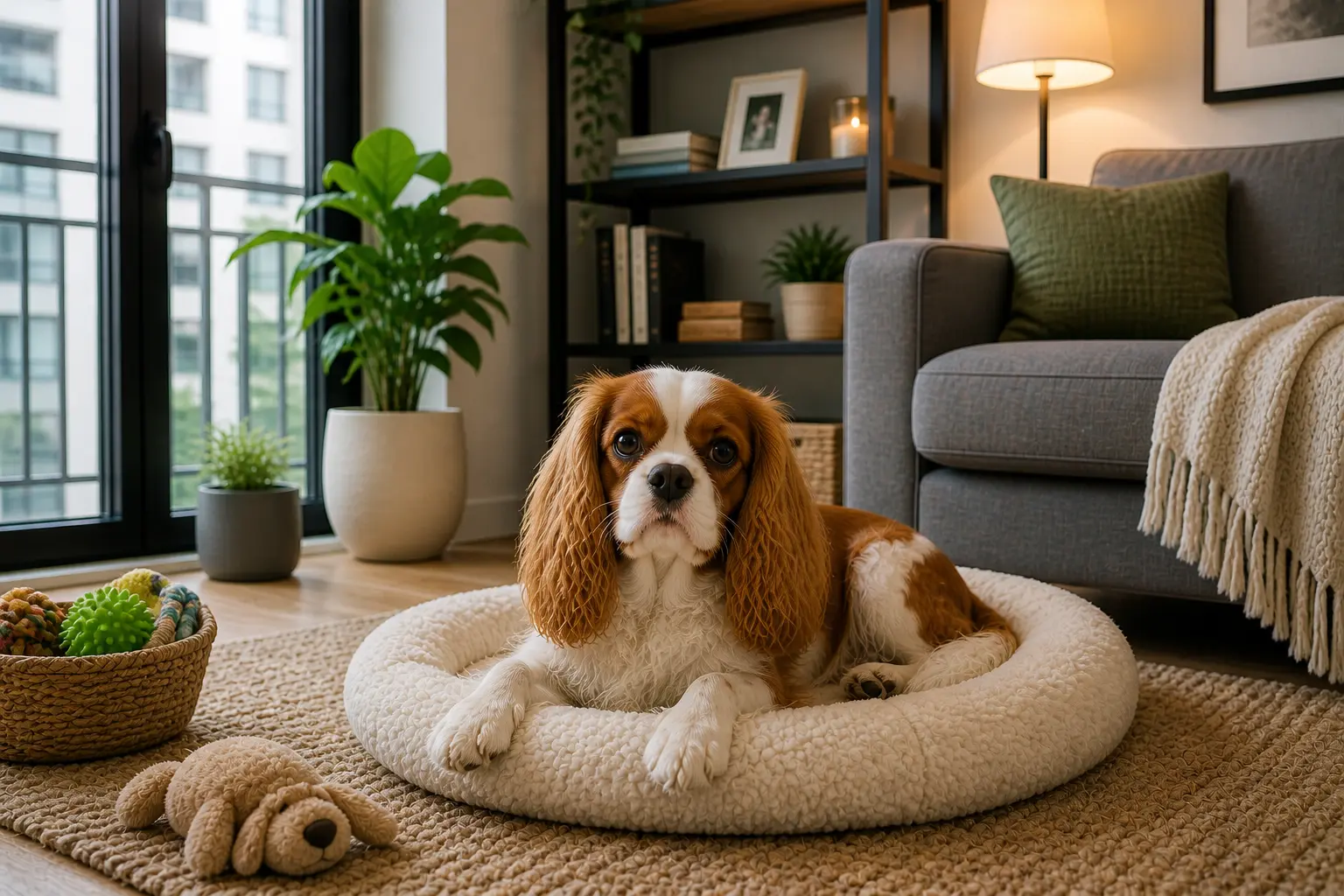
Living in an apartment or a small home does not mean you have to give up the idea of having a dog. However, choosing a dog that adapts easily to indoor living is one of the most important decisions you can make. Many behavioral problems in dogs come from a mismatch between their needs and their environment, especially when they are placed in spaces that do not suit their natural instincts.
Some dogs are naturally better suited for indoor life. They are calmer, less dependent on large outdoor spaces, and more comfortable spending time inside with their owners. These dogs are ideal for apartments, where space is limited and routines are more structured.
In this article, you will discover which dogs adapt best to indoor living, what characteristics make them suitable, and how to create an environment where your dog can thrive even in a smaller space.
What Does It Mean for a Dog to Adapt to Indoor Living?
Not all dogs are naturally comfortable living indoors for long periods. Understanding what makes a dog adaptable to indoor life is essential before choosing the right breed.
Independence and Emotional Balance
Dogs that adapt well indoors tend to be emotionally stable and less dependent on constant external stimulation. They can relax, entertain themselves, and remain calm even when their owners are not actively engaging with them.
Highly dependent dogs, on the other hand, may develop anxiety if they are left alone for extended periods, which can lead to destructive behaviors.
Moderate Energy Levels
Dogs that are comfortable indoors typically have moderate or low energy levels. They enjoy activity but do not require constant physical exercise to stay balanced.
These dogs are satisfied with daily walks and short play sessions, making them ideal for apartment living.
Calm Temperament
A calm temperament is one of the most important traits for indoor living. Dogs that are easily excited, reactive, or highly alert may struggle in environments where space is limited and noise needs to be controlled.
Low Tendency to Bark
Indoor-friendly dogs are usually less vocal. Excessive barking can be a major issue in apartments, so choosing a breed that is naturally quieter helps maintain a peaceful environment.
Best Dog Breeds That Adapt Easily to Indoor Living
While every dog is unique, certain breeds are known for their ability to thrive in indoor environments. These dogs combine calm behavior, adaptability, and manageable energy levels.
French Bulldog
French Bulldogs are one of the best indoor dogs. They are calm, affectionate, and do not require much space or exercise. Their relaxed personality makes them perfect for apartment living.
They enjoy spending time with their owners and are comfortable resting for long periods.
Cavalier King Charles Spaniel
This breed is gentle, friendly, and highly adaptable. Cavalier King Charles Spaniels thrive in indoor environments because they value companionship over physical activity.
They are easy to train and adjust well to structured routines.
Shih Tzu
Shih Tzus were originally bred to be companion dogs, which makes them naturally suited for indoor living. They are calm, affectionate, and comfortable in smaller spaces.
They do not require intense exercise, but they do need attention and care.
Pug
Pugs are known for their love of indoor environments. They are relaxed, friendly, and enjoy being close to their owners.
Their low energy level makes them ideal for apartments, and they are generally not overly active.
Greyhound
Although they are large, Greyhounds are surprisingly well-suited for indoor living. They are calm, quiet, and spend most of their time resting.
They require short bursts of exercise but are otherwise very relaxed indoors.
Bichon Frise
Bichon Frises are cheerful and adaptable dogs. They enjoy indoor life and are comfortable in smaller spaces.
Their friendly personality and manageable size make them a great choice for apartments.
Maltese
Maltese dogs are small, gentle, and perfect for indoor environments. They are affectionate and enjoy spending time with their owners.
Their calm nature makes them easy to manage in apartments.
Boston Terrier
Boston Terriers are balanced, adaptable, and easy to train. They have a moderate energy level and adjust well to indoor living.
Their friendly temperament makes them great companions.
How to Help Your Dog Adapt to Indoor Living
Even dogs that are naturally suited for indoor environments need proper guidance and care to adjust successfully.
Create a Comfortable Space
Your dog should have a dedicated area where it can rest and feel safe. This helps establish boundaries and provides a sense of security.
A comfortable bed, toys, and a quiet environment are essential.
Maintain a Consistent Routine
Dogs thrive on routine. Feeding, walking, and playtime should happen at the same time each day.
Consistency helps reduce anxiety and makes it easier for your dog to adapt to indoor life.
Provide Mental Stimulation
Indoor dogs rely heavily on mental stimulation to stay engaged. Interactive toys, training sessions, and games help prevent boredom.
A mentally stimulated dog is less likely to develop destructive behavior.
Ensure Daily Exercise
Even indoor dogs need physical activity. Daily walks are essential to maintain health and balance.
Exercise helps release energy and improves overall behavior.
Socialization
Exposing your dog to different environments, people, and situations helps build confidence and reduces anxiety.
Well-socialized dogs adapt more easily to indoor living.
Common Challenges and How to Overcome Them
Living with a dog indoors can present challenges, especially if the dog is not properly trained or stimulated.
Boredom
Dogs that are left alone without stimulation may become bored and destructive. Providing toys and activities helps prevent this.
Separation Anxiety
Some dogs struggle with being alone. Gradual training and creating a comfortable environment can help reduce anxiety.
Barking
Excessive barking can be managed through training and by identifying triggers.
Lack of Space
Even in small apartments, proper organization can create a comfortable environment for your dog.
Common Mistakes to Avoid
Many owners unintentionally make mistakes that make indoor living more difficult for their dogs.
Ignoring Exercise Needs
Even calm dogs need daily activity. Skipping walks can lead to behavioral problems.
Inconsistent Training
Without clear rules, dogs may become confused and develop unwanted habits.
Lack of Attention
Dogs need interaction and companionship. Ignoring them can lead to emotional and behavioral issues.
Choosing the Wrong Breed
Not all dogs are suited for indoor living. Choosing the right breed is essential for success.
Is an Indoor Dog Right for You?
Dogs that adapt easily to indoor living are ideal for people who live in apartments, have limited space, or prefer a calmer lifestyle.
However, owning a dog still requires commitment, time, and responsibility. Even the most adaptable dog needs care, attention, and proper training.
Final Thoughts
Choosing a dog that adapts easily to indoor living is one of the best ways to ensure a peaceful and enjoyable experience in an apartment. These dogs are more comfortable in smaller spaces, easier to manage, and less likely to develop behavioral problems.
By selecting the right breed and providing proper care, you can create a balanced environment where both you and your dog can thrive. Indoor living does not limit your ability to have a happy and fulfilling relationship with your pet—it simply requires the right approach.
