
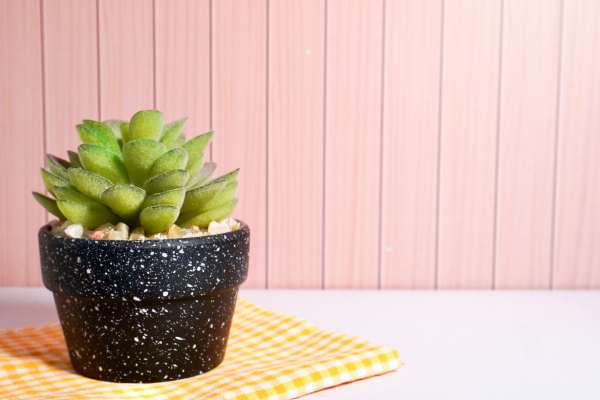
I once bought what was advertised as a variegated Haworthia cooperi from an online marketplace, paid a genuinely uncomfortable amount for it, and received a plant that, once it arrived and I could examine it in decent light, turned out to be an ordinary green Haworthia with a slightly pale, possibly stressed leaf that had been photographed at an extremely flattering angle. It wasn’t fraud in the legal sense, probably, but it also wasn’t honest. That experience taught me more about evaluating online succulent listings than any amount of reading had up to that point, and it’s a lesson I’ve seen repeated in various forms across plant collector communities ever since.
Why This Problem Is So Common in the Rare Succulent Market
Rare succulents occupy a strange corner of e-commerce. Unlike most collectibles, where authentication services or expert appraisal exist, succulent identification largely relies on visual comparison and seller honesty, with very little formal verification available to the average buyer. Add in the fact that rare and unusual specimens sell for genuinely significant premiums, and you end up with real financial incentive for mislabeling, whether intentional or the result of a seller’s own confusion about what they’re actually selling.
It’s also worth acknowledging that a lot of mislabeling isn’t malicious at all. Plant identification is genuinely difficult, as we discussed regarding the frequent confusion between Haworthia cooperi and obtusa in Haworthia Cooperi vs. Haworthia Obtusa: Spotting the Differences. Many sellers, particularly smaller hobbyist growers rather than large specialized nurseries, simply repeat whatever label came with the plant when they acquired it, without necessarily verifying that label themselves.
Red Flags in Product Photography
Photo quality and consistency tell you a lot before you even get to the plant description. Listings that use a single, tightly cropped, dramatically lit photo, especially one that seems to emphasize color or variegation in a way that looks almost too vivid, deserve a closer look. Legitimate sellers of genuinely rare or expensive specimens typically provide multiple photos from different angles, including at least one taken in more neutral, even lighting that shows the plant’s true coloration rather than an artificially enhanced version.
Watch specifically for photos where variegation or unusual coloration seems to have suspiciously sharp, unnaturally uniform edges, or an oddly consistent hue that doesn’t quite match the organic, sometimes uneven patterns typical of genuine variegation, something we described in more detail in Variegated Succulents Explained: Why They’re So Expensive. This can be a sign of artificial color treatments like dye injection, a practice that unfortunately shows up periodically in the rare succulent trade, particularly with certain popular Haworthia and cactus varieties.
Pricing That Doesn’t Match Known Rarity Factors
Understanding why a plant is genuinely rare, using the framework we laid out in What Makes a Succulent “Rare”? Understanding Collector Value, gives you a useful baseline for evaluating whether a listed price makes sense. A specimen priced dramatically below what similar, verified listings from established sellers charge for the same claimed variety is worth extra scrutiny rather than treating it as simply a good deal.
This is especially true for species where genuine scarcity comes from factors like extremely slow growth or habitat restriction, both of which we discussed regarding certain Ariocarpus and Copiapoa varieties in Top 5 Succulents That Are Nearly Impossible to Find]. A “rare” specimen priced suspiciously low for one of these genuinely scarce species is more likely to be misidentified, immature, or simply a more common relative being sold under a more desirable name, rather than an actual bargain on something legitimately hard to find.
Checking Seller History and Reputation
Established, specialized succulent sellers, whether individual hobbyists or dedicated small nurseries, typically build a visible track record over time, including reviews, transaction history, or an active presence in collector communities where other buyers can vouch for past purchases. Brand new seller accounts offering rare, high-value specimens with no prior sales history or community presence warrant more caution, not because every new seller is dishonest, but because there’s simply less information available to verify their claims.
It’s also worth checking whether a seller’s other listings seem internally consistent with genuine specialization in the plants they claim to sell. A seller whose account otherwise focuses on unrelated items, or who has a scattered mix of listings across completely different collectible categories, is a different kind of situation from a seller whose entire history shows a consistent focus on succulents specifically, ideally including some visible knowledge of proper care and identification in how they describe their plants.
Cross-Referencing With Verified Sources
Before purchasing any specimen labeled as a specific rare species or variety, it’s worth taking the time to compare the listing photos against verified botanical references or photos from established succulent societies, rather than relying solely on the seller’s own description. This is particularly important for species with frequent look-alike confusion, similar to the Cooperi and Obtusa situation, or for specific named cultivars within a genus like Echeveria, where we noted in The Rarest Echeveria Varieties in the World that hybrid naming and labeling accuracy varies considerably between sellers.
Reverse image searching listing photos can also occasionally reveal whether a seller has copied photos from another source entirely, rather than photographing the actual plant being sold, which is a fairly clear warning sign when it happens.
Understanding Legal Trade Restrictions
For certain genuinely rare, wild-sensitive species, verifying legal sourcing is about more than just getting an authentic plant — it’s about avoiding contributing to genuine ecological harm. Species protected under CITES regulations, including several Ariocarpus, Copiapoa, and certain Aloe species we’ve discussed across this category, have specific legal requirements around international trade and documentation.
A seller offering a supposedly wild-collected specimen of a protected species, or one unable or unwilling to provide any information about the plant’s cultivated origin when asked directly, should be treated as a significant red flag rather than simply an inconvenience. Reputable sellers of genuinely rare, legally sensitive species are generally upfront about seed-grown or nursery-propagated origins, since this information actually adds to a plant’s legitimacy and value rather than detracting from it.
What to Do If You Suspect a Listing Is Fake or Mislabeled
If you’re evaluating a specific listing and something feels off, it’s reasonable to message the seller directly and ask for additional photos, particularly in neutral lighting, or ask specific questions about the plant’s growing history and origin. A legitimate, knowledgeable seller of genuinely rare specimens will typically respond with confidence and specific, consistent detail. Vague, evasive, or inconsistent answers to reasonable questions are worth taking seriously as a warning sign, regardless of how appealing the listing photos might be.
It’s also worth accepting that some degree of risk is simply inherent to buying rare, hard-to-verify plants online, and building relationships with trusted sellers over time, through smaller purchases first, tends to be a more reliable long-term strategy than chasing the single best-looking listing you can find on a platform where you have no prior history with the seller at all.
The Bigger Picture
None of this is meant to make rare succulent shopping feel like a minefield, though it’s fair to say a bit of healthy skepticism serves collectors well in this hobby. Most sellers, especially those who’ve built genuine reputations within specialized collector communities, are honest and knowledgeable, and plenty of wonderful, legitimately rare plants do change hands through completely ordinary online transactions every day. Learning to recognize the handful of warning signs we’ve covered here isn’t about assuming the worst of every listing — it’s about protecting yourself well enough to keep enjoying this hobby without the occasional bad experience souring what should be a genuinely rewarding pursuit.
