
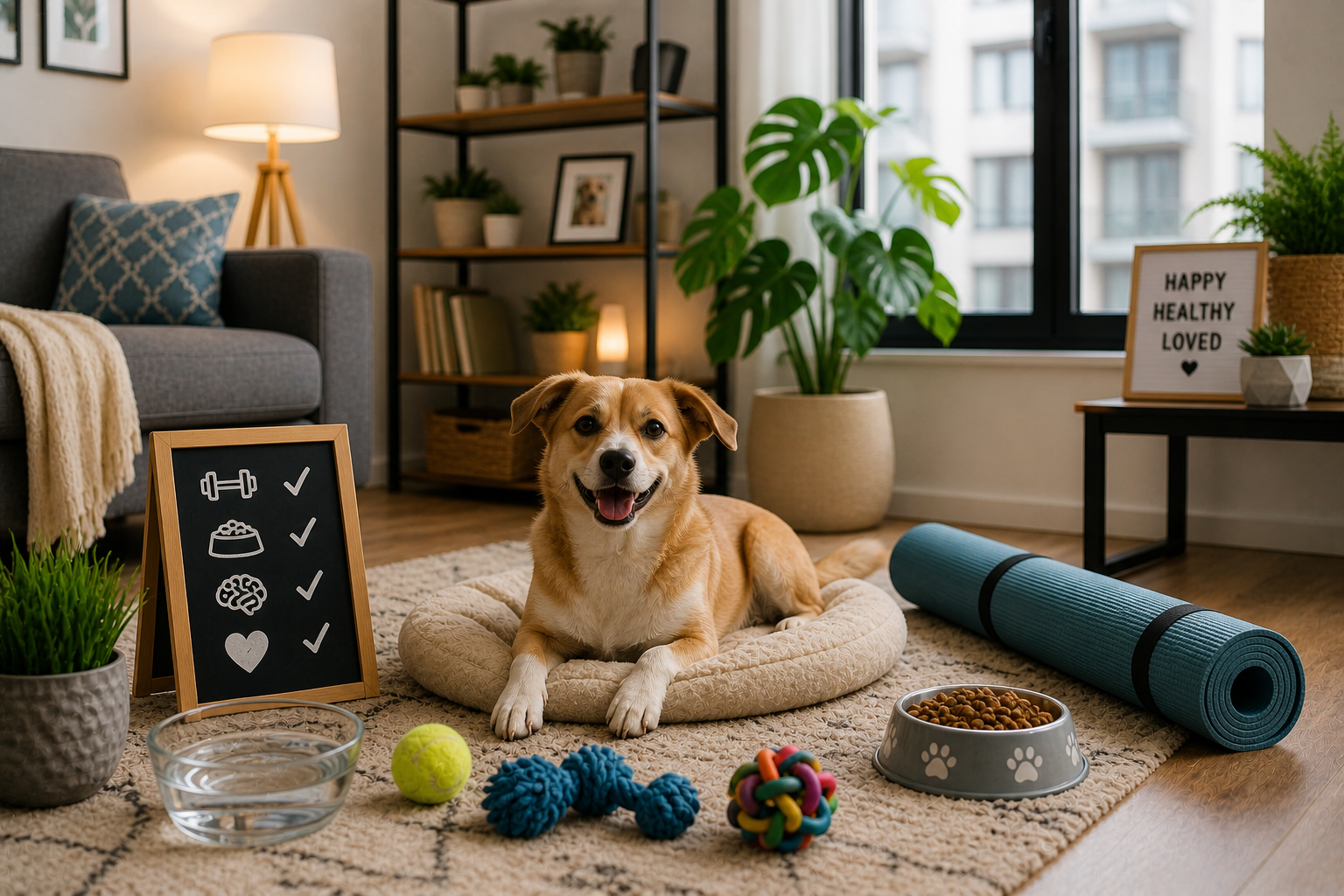
Keeping a dog healthy in an apartment environment requires more than just providing food and occasional walks. Unlike dogs that live in houses with large outdoor spaces, apartment dogs depend almost entirely on their owners to meet their physical, mental, and emotional needs. This makes maintaining a healthy lifestyle both more intentional and more important.
Many health and behavioral problems in dogs are not caused by lack of care, but by lack of structure. Without a proper balance of exercise, nutrition, mental stimulation, and routine, dogs can develop issues such as obesity, anxiety, destructive behavior, and even chronic health conditions.
The good news is that apartment living does not limit your ability to provide a healthy and fulfilling life for your dog. With the right habits and consistent routines, you can create an environment that supports long-term health and happiness.
In this article, you will learn how to maintain a healthy lifestyle for apartment dogs, understand the key pillars of well-being, and discover practical strategies to ensure your dog thrives indoors.
The Foundations of a Healthy Lifestyle for Dogs
A healthy lifestyle is built on a combination of physical health, mental stimulation, emotional balance, and consistent care.
Physical Health
Regular exercise, proper nutrition, and routine care are essential for maintaining your dog’s physical condition.
Mental Stimulation
Dogs need daily mental engagement to prevent boredom and stress.
Emotional Well-Being
A stable environment and strong bond with the owner contribute to emotional health.
Consistency and Routine
Predictability helps dogs feel secure and reduces anxiety.
Providing Proper Physical Exercise
Exercise is one of the most important components of a healthy lifestyle.
Daily Walks
Walking your dog at least two to three times per day helps maintain physical fitness and provides mental stimulation.
Indoor Activities
When outdoor access is limited, indoor exercise becomes essential. Activities such as interactive play and obstacle courses help keep your dog active.
Adjusting to Energy Levels
Each dog has different exercise needs. High-energy dogs require more activity, while low-energy dogs may need less.
Monitoring Physical Condition
Pay attention to your dog’s weight, energy levels, and overall health to ensure it is getting the right amount of exercise.
Maintaining a Balanced Diet
Nutrition plays a critical role in your dog’s health.
Consistent Feeding Schedule
Feeding your dog at the same times each day helps regulate digestion and energy levels.
High-Quality Food
Providing balanced, high-quality food ensures your dog receives essential nutrients.
Portion Control
Avoid overfeeding, as this can lead to obesity and related health issues.
Hydration
Always provide access to fresh water to maintain hydration.
Supporting Mental Stimulation
Mental engagement is just as important as physical activity.
Daily Training Sessions
Training exercises challenge your dog’s mind and reinforce good behavior.
Interactive Toys
Puzzle toys and treat-dispensing games provide mental stimulation.
Variety of Activities
Changing activities regularly prevents boredom and keeps your dog engaged.
Creating a Consistent Routine
Routine is essential for maintaining stability and balance.
Structured Daily Schedule
Include regular times for feeding, walking, play, and rest.
Predictability
Dogs feel more secure when they know what to expect.
Balance Between Activity and Rest
Ensure your dog has enough time to rest and recover.
Maintaining Hygiene and Grooming
Cleanliness is a key part of a healthy lifestyle.
Regular Grooming
Brushing, bathing, and nail trimming help maintain hygiene and comfort.
Clean Living Environment
Keeping your apartment clean reduces the risk of illness and improves overall comfort.
Preventive Care
Regular checkups and grooming help detect health issues early.
Socialization and Interaction
Social interaction is essential for emotional well-being.
Exposure to Different Environments
Walks and outings provide opportunities for socialization.
Interaction with People and Dogs
Positive interactions help build confidence and reduce anxiety.
Avoiding Isolation
Spending quality time with your dog prevents loneliness.
Managing Stress and Anxiety
Apartment dogs may be more prone to stress if not properly managed.
Recognizing Stress Signs
Excessive barking, restlessness, or destructive behavior may indicate stress.
Providing a Safe Space
A designated resting area helps your dog feel secure.
Maintaining Calm Environment
A peaceful environment reduces anxiety and promotes relaxation.
Preventing Common Health Issues
Prevention is key to long-term health.
Obesity
Regular exercise and portion control help prevent weight gain.
Joint Problems
Proper activity levels and a balanced diet support joint health.
Behavioral Issues
Mental stimulation and routine help prevent unwanted behaviors.
Adapting to Apartment Living
Apartment living requires thoughtful adjustments.
Maximizing Space
Use available space efficiently for activities and rest.
Minimizing Noise
Encourage calm behavior to avoid disturbances.
Maintaining Cleanliness
Regular cleaning helps maintain a healthy environment.
Signs Your Dog Is Living a Healthy Lifestyle
Your dog’s behavior and condition can indicate its overall well-being.
Balanced Energy Levels
A healthy dog is active but also able to relax.
Healthy Coat and Skin
A shiny coat and clear skin indicate good health.
Stable Behavior
A well-balanced dog shows calm and predictable behavior.
Good Appetite and Digestion
Regular eating and digestion are signs of proper care.
Common Mistakes to Avoid
Avoiding these mistakes can improve your dog’s lifestyle.
Lack of Routine
Inconsistent schedules can lead to stress and behavioral issues.
Insufficient Exercise
Not providing enough activity leads to excess energy and problems.
Ignoring Mental Needs
Mental stimulation is often overlooked but essential.
Overfeeding
Excess food can lead to obesity and health complications.
Creating a Sustainable Lifestyle
A healthy lifestyle should be realistic and sustainable.
Start with Basics
Focus on routine, nutrition, and exercise.
Adjust Gradually
Make changes based on your dog’s needs and behavior.
Stay Consistent
Consistency is the foundation of long-term success.
Final Thoughts
Maintaining a healthy lifestyle for apartment dogs requires a balanced approach that includes physical activity, mental stimulation, proper nutrition, and consistent routines. While apartment living presents unique challenges, it also offers the opportunity to create a structured and controlled environment that supports your dog’s well-being.
By understanding your dog’s needs and committing to a consistent routine, you can ensure a happy, healthy, and fulfilling life for your pet. A healthy dog is not just one that is physically fit—it is one that is mentally engaged, emotionally balanced, and well cared for in every aspect of its life.
