
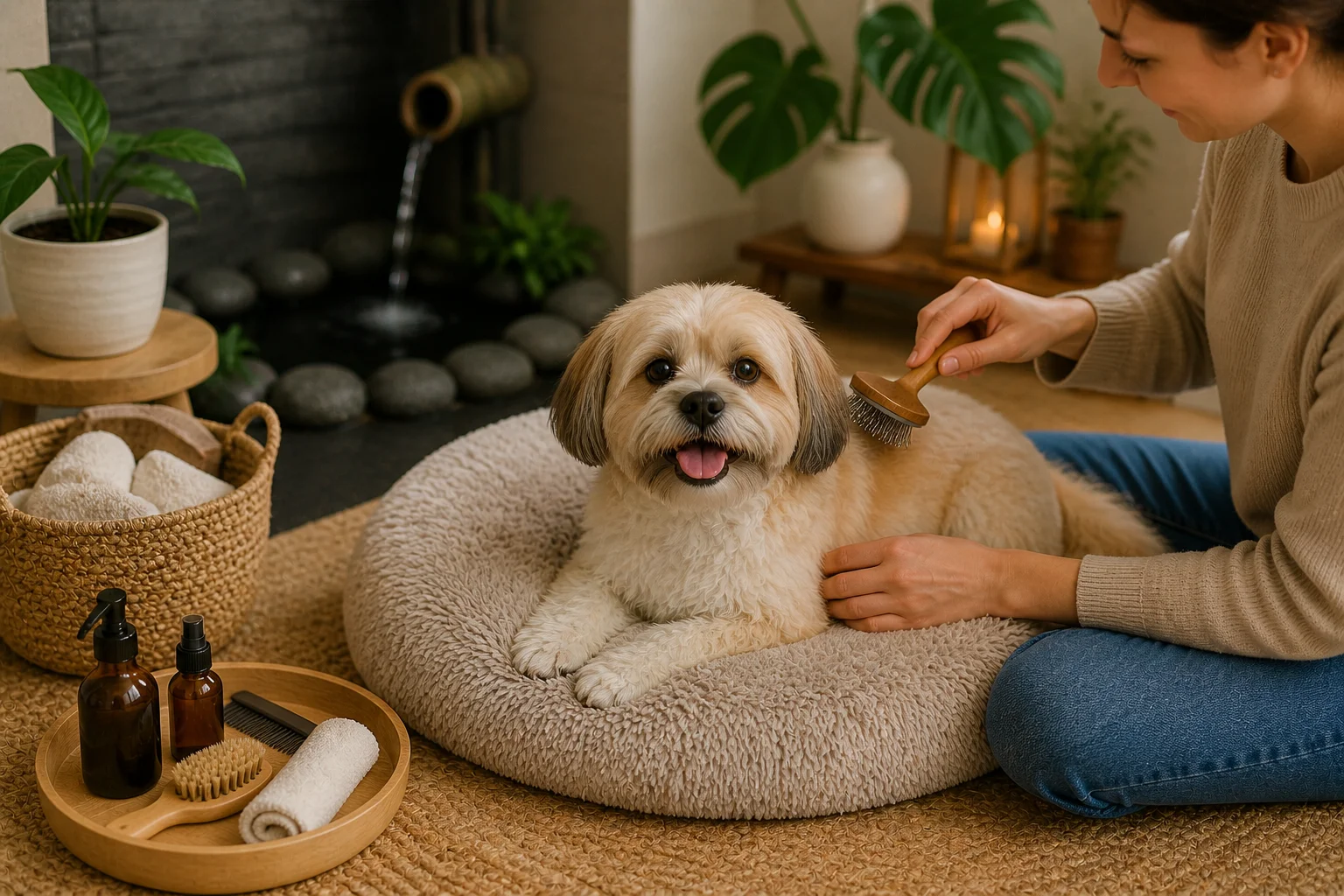
Grooming is an essential part of caring for any dog, but it becomes even more important when your pet lives indoors—especially in an apartment. Unlike outdoor dogs, indoor dogs share the same living space as their owners, which means hygiene, cleanliness, and regular grooming directly impact not only the dog’s health but also the home environment.
Many dog owners underestimate how much grooming influences behavior, comfort, and overall well-being. Poor grooming habits can lead to issues such as excessive shedding, unpleasant odors, skin problems, and even health complications. In small spaces, these problems become much more noticeable and harder to manage.
The good news is that with a consistent grooming routine and the right techniques, you can keep your dog clean, comfortable, and healthy while maintaining a fresh and organized apartment.
In this article, you will learn essential grooming tips for indoor dogs, understand how often grooming should be done, and discover practical ways to maintain hygiene in a limited space.
Why Grooming Is Important for Indoor Dogs
Grooming is not just about appearance—it plays a key role in your dog’s health and your home’s cleanliness.
Maintains Hygiene
Regular grooming removes dirt, loose hair, and odors, keeping your dog clean and your apartment fresh.
Reduces Shedding
Brushing your dog frequently helps control shedding, which is especially important in small indoor spaces.
Prevents Skin Problems
Grooming allows you to detect issues such as irritation, infections, or parasites early.
Improves Comfort
Clean and well-maintained fur helps your dog feel more comfortable and reduces itching or discomfort.
Strengthens Your Bond
Grooming sessions provide an opportunity to connect with your dog and build trust.
How Often Should You Groom Your Dog?
The frequency of grooming depends on your dog’s breed, coat type, and lifestyle.
Daily Grooming
Some tasks, such as light brushing or checking your dog’s coat, can be done daily.
Weekly Grooming
Most dogs benefit from thorough brushing, ear cleaning, and inspection once or twice a week.
Monthly Grooming
Bathing and nail trimming are typically done once a month, although this may vary.
Breed-Specific Needs
Long-haired breeds require more frequent grooming, while short-haired dogs may need less maintenance.
Brushing Your Dog Properly
Brushing is one of the most important aspects of grooming.
Benefits of Brushing
Regular brushing removes loose hair, prevents tangles, and distributes natural oils throughout the coat.
Choosing the Right Brush
Different coat types require different brushes. Using the correct tool makes grooming more effective and comfortable.
Brushing Technique
Brush gently and follow the direction of hair growth. Pay extra attention to areas prone to tangles.
Frequency
Daily brushing is ideal for long-haired dogs, while short-haired dogs may only need brushing a few times per week.
Bathing Your Dog
Bathing helps keep your dog clean and free of odors.
How Often to Bathe
Most indoor dogs should be bathed every 3 to 4 weeks. Overbathing can strip natural oils from the skin.
Choosing the Right Shampoo
Use a dog-specific shampoo that is gentle on the skin.
Bathing Process
Ensure the water is lukewarm and rinse thoroughly to avoid residue.
Drying
Dry your dog completely to prevent skin irritation. Use a towel or a pet-safe dryer if needed.
Nail Trimming and Paw Care
Nail care is essential for your dog’s comfort and mobility.
Importance of Nail Trimming
Long nails can cause discomfort and affect your dog’s posture.
How Often to Trim
Nails should typically be trimmed every 3 to 4 weeks.
Paw Inspection
Check your dog’s paws regularly for dirt, cuts, or irritation.
Indoor Considerations
Dogs living in apartments may not wear down their nails naturally, making regular trimming even more important.
Ear and Eye Cleaning
Maintaining clean ears and eyes helps prevent infections.
Ear Cleaning
Check your dog’s ears weekly and clean them with a vet-approved solution if needed.
Signs of Problems
Redness, odor, or excessive wax may indicate an issue.
Eye Care
Gently clean around your dog’s eyes to remove discharge.
Dental Hygiene
Dental care is often overlooked but is essential for overall health.
Brushing Teeth
Brush your dog’s teeth several times a week using dog-safe toothpaste.
Dental Chews
Provide dental chews to help reduce plaque buildup.
Regular Checkups
Monitor your dog’s oral health and consult a veterinarian if needed.
Managing Shedding in Apartments
Shedding can be a major concern in indoor environments.
Regular Brushing
Frequent brushing is the most effective way to control shedding.
Cleaning Routine
Vacuum and clean your apartment regularly to manage loose hair.
Diet and Hydration
A healthy diet contributes to a healthier coat and reduced shedding.
Creating a Grooming Routine
Consistency is key to effective grooming.
Set a Schedule
Establish a routine that includes brushing, bathing, and other grooming tasks.
Keep It Positive
Use treats and praise to make grooming a positive experience.
Start Early
Introduce grooming routines when your dog is young to build comfort.
Common Grooming Mistakes to Avoid
Avoiding these mistakes can improve your dog’s grooming experience.
Overbathing
Too frequent bathing can dry out the skin.
Using Human Products
Human shampoos can irritate your dog’s skin.
Ignoring Small Issues
Minor problems can become serious if not addressed early.
Inconsistent Routine
Irregular grooming leads to buildup of dirt, hair, and potential health issues.
Adapting Grooming to Apartment Living
Apartment living requires some adjustments.
Use Designated Areas
Choose a specific area for grooming to keep your apartment clean.
Minimize Mess
Use mats or towels to contain hair and water.
Maintain Ventilation
Ensure proper airflow during grooming activities.
Be Considerate of Noise
Avoid loud grooming tools that may disturb neighbors.
Signs Your Dog Needs Grooming
Your dog’s condition can indicate when grooming is needed.
Strong Odor
Unpleasant smells may indicate it is time for a bath.
Tangled Fur
Matted hair requires immediate attention.
Long Nails
Clicking sounds on the floor can indicate overgrown nails.
Excessive Shedding
Increased shedding may signal the need for more frequent brushing.
Final Thoughts
Grooming is an essential part of caring for a dog in an apartment. It not only keeps your dog clean and healthy but also helps maintain a comfortable and hygienic living environment.
By establishing a consistent grooming routine, using the right tools, and paying attention to your dog’s needs, you can prevent many common issues and improve your dog’s overall quality of life.
With patience, consistency, and proper care, grooming becomes more than just a task—it becomes an important part of your daily routine and a way to strengthen your bond with your dog.
