
By the time root rot becomes visible above the soil line, the damage underneath is often already extensive, which is exactly what makes this particular problem so unforgiving with rare, slow-growing succulents. I’ve lost more than one genuinely valuable specimen to rot that I only caught once the plant had already lost most of its functional root system, and each time, looking back, there were earlier signs I simply hadn’t learned to recognize yet. Understanding root rot thoroughly, both how to prevent it and how to respond quickly when it does happen, matters more than almost any other single skill in this hobby.
Why Root Rot Happens
Root rot develops when succulent roots sit in consistently moist or waterlogged conditions for extended periods, creating an environment where fungal and bacterial pathogens can establish and spread through root tissue that isn’t adapted to tolerate sustained moisture. Succulent roots, evolved in arid, fast-draining habitats, generally lack the tolerance for prolonged wet conditions that many other plant types have developed, which is part of why overwatering poses such a consistently serious risk across nearly every species discussed throughout this series.
This vulnerability compounds when soil composition, discussed in How to Create the Perfect Soil Mix for Delicate Succulents, doesn’t provide adequate drainage, or when pot choice, covered in Best Pots and Containers for Rare Succulent Collections, retains more moisture than a plant’s root system can tolerate. Rot risk increases further during a plant’s dormant period, when reduced metabolic activity means roots are drawing up even less water than usual, making watering schedules appropriate for active growth genuinely dangerous during dormancy, a pattern we’ve returned to repeatedly throughout this series regarding seasonal care.
Early Warning Signs Before Visible Damage
Because root rot begins below the soil surface, the earliest signs are often subtle enough to miss without deliberate attention. A slight, unexplained softness in lower leaves, even before any color change becomes apparent, can be an early indicator that something is wrong beneath the surface, distinct from the more dramatic mushiness and yellowing that mark more advanced rot, discussed in detail in our overwatering diagnosis article.
An unpleasant, sour, or musty odor coming from the soil, even when the plant itself still looks reasonably healthy above ground, is often one of the more reliable early warning signs, since this smell results directly from the same bacterial and fungal activity that’s beginning to damage root tissue, often before that damage has progressed enough to show clear visible symptoms in the leaves. Periodically checking soil for this kind of odor, particularly after a watering that seemed heavier than intended or during a stretch of unusually humid or cool weather that might have slowed normal drying, can catch rot in its earliest, most treatable stage.
Confirming Root Rot Through Direct Inspection
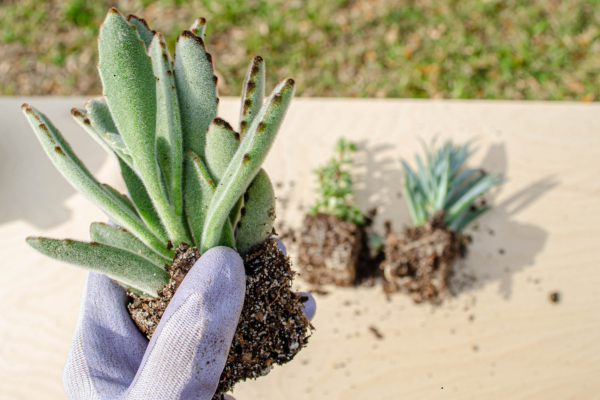
When leaf symptoms or soil odor raise genuine concern, removing the plant from its pot for direct root inspection remains the most reliable way to confirm rot and assess how extensive the damage actually is. Healthy succulent roots typically appear firm and light-colored, while rot-affected roots turn dark brown to black and take on a mushy, sometimes hollow or stringy texture that falls apart easily under gentle handling, exactly as described in our broader overwatering and underwatering comparison.
This inspection also reveals how much of the root system remains healthy versus affected, information that directly shapes what recovery approach makes sense. A plant with only a small portion of affected roots and a substantial remaining healthy root system generally has much better recovery prospects than one where rot has progressed to affect the majority of the root mass, or has begun spreading up into the lower stem or caudex itself.
The Recovery Process
Once rot is confirmed, the standard recovery approach involves carefully trimming away all visibly affected root tissue using a clean, sharp tool, cutting back into clearly healthy tissue rather than leaving any questionable, partially affected sections in place, since any remaining infected tissue can continue spreading rot even after the plant is repotted into fresh soil. This trimming needs to be thorough but not excessive, removing genuinely compromised tissue while preserving as much healthy root material as possible to support the plant’s recovery.
After trimming, allowing the remaining root system to dry and callus for a day or two in a cool, dry, shaded spot, following the same principle discussed regarding cuttings in How to Propagate Rare Succulents Without Killing Them, helps reduce the risk of reinfection before the plant goes into fresh soil. This callusing period matters just as much here as it does during propagation, since freshly cut root tissue is just as vulnerable to moisture-related infection as a freshly cut leaf or stem.
Repotting After Rot Treatment
Repotting into completely fresh, appropriately fast-draining soil is essential after treating root rot, since reusing the original soil risks reintroducing the same pathogens responsible for the initial infection. This is also a good opportunity to reassess whether the original pot and soil combination may have contributed to the problem in the first place, whether through inadequate drainage, an oversized pot holding excess moisture longer than the plant’s root system could handle, or a soil mix that simply retained too much water for that particular species’ needs.
Watering after this kind of recovery repotting should be withheld longer than usual, often a week or more beyond what you’d normally wait after a standard repotting, giving the trimmed, freshly callused roots adequate time to heal and begin establishing in the new soil before facing moisture again. Resuming watering too soon after rot treatment risks reinfecting the same vulnerable, recently damaged tissue before it’s had a genuine chance to recover.
When Recovery Isn’t Realistic
It’s worth being honest that not every case of root rot is recoverable, particularly when the damage has progressed extensively before detection, affecting the majority of the root system or spreading into the plant’s main stem or caudex. In these more severe cases, it’s sometimes possible to salvage healthy above-ground tissue through propagation, taking cuttings or leaves from unaffected portions of the plant following the techniques discussed throughout our propagation category, even when the original root system and lower plant structure can’t be saved.
This kind of salvage propagation won’t preserve every plant, and some genuinely severe rot cases result in total loss despite best efforts, but attempting it, when any healthy tissue remains, at least offers a chance at preserving some genetic continuity from a rare, otherwise irreplaceable specimen rather than simply discarding the entire plant once rot has progressed too far for full recovery.
Building Rot Prevention Into Routine Care
Given how serious and sometimes irreversible root rot can be, prevention deserves considerably more attention than treatment, and most of the prevention strategies come directly from principles covered throughout this care category: appropriately fast-draining soil, suitably sized and drained containers, watering approaches that respect a plant’s actual seasonal water needs rather than a fixed year-round schedule, and attentiveness to the early warning signs discussed here rather than waiting for obvious, advanced symptoms to appear.
This layered, consistent approach to prevention across soil, pot choice, and watering habit matters more for rare, slow-growing succulents than almost any other single care practice, precisely because these plants often can’t simply be replaced or regrown quickly if lost to rot, the way a common, fast-growing succulent might be. Treating rot prevention as an ongoing, routine part of care, rather than a concern you only think about after a plant already shows visible distress, remains the most reliable way to protect a genuinely valuable rare succulent collection from what remains one of the most consistently damaging problems in this entire hobby.
