
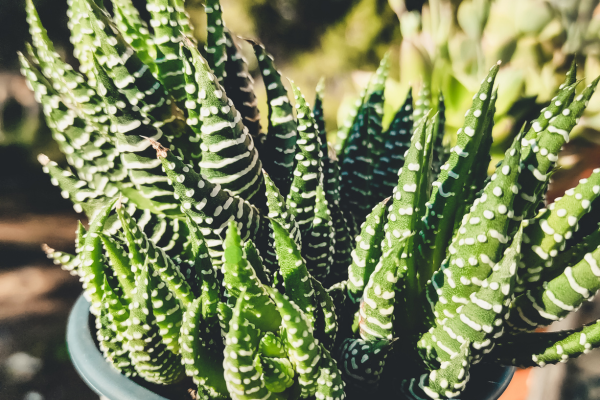
Light is the single most common thing I see people get wrong with rare succulents, and it’s also the one most beginners underestimate, mostly because “bright windowsill” sounds like it should be enough. It usually isn’t. After years of moving plants around my own space, chasing better light exposure, and watching specimens either thrive or slowly decline based on where I put them, I’ve come to think of light less as a background condition and more as the single variable worth obsessing over before anything else.
Why Light Matters More With Rare Species Specifically
Common succulents, the kind sold in big-box stores, tend to have been bred or selected over generations for tolerance of imperfect conditions, including mediocre light. Rare species, by contrast, are often much closer to their original wild form, adapted over thousands of years to extremely specific light conditions in their native habitat, whether that’s the intense, unfiltered sun of a South African rock face or the dappled, angled light of a narrow mountain crevice.
This means the margin for error tends to be smaller. A common Echeveria might tolerate a mediocre windowsill for years, growing a bit leggy but surviving just fine. A rare, habitat-sensitive species like Aloe polyphylla or Ariocarpus fissuratus, both of which we discussed in 10 Rare Succulent Varieties Every Collector Should Know, often responds to insufficient light far more dramatically and far more quickly, sometimes showing visible stress within just a couple of weeks of inadequate exposure.
Understanding Etiolation Before It Happens
Etiolation is the term for what happens when a succulent doesn’t receive enough light and stretches in response, elongating its stem and spacing its leaves further apart in an attempt to reach more sun. It’s the plant’s built-in survival mechanism, and it happens across nearly every succulent species, though the speed and severity vary quite a bit depending on the plant.
The frustrating thing about etiolation is that it’s essentially permanent once it happens. Unlike some care mistakes that a plant can simply grow out of, stretched growth stays stretched. The plant might resume tighter, more compact growth once light conditions improve, but the elongated section remains exactly as it is, which means prevention matters far more than correction here. We go into the visual signs and recovery approach in more detail in Etiolation Explained: Why Your Succulent Is Stretching, but the short version is that by the time etiolation is obviously visible, some permanent change has already occurred.
Direct Sun Versus Bright Indirect Light
This distinction trips up a lot of people, partly because plant care advice often uses these terms inconsistently. Direct sun means light hitting the plant’s surface without any obstruction, the kind that casts a sharp, well-defined shadow. Bright indirect light means the space is well-lit, but the sun’s direct rays are being diffused or blocked in some way, whether by a sheer curtain, an overhang, or simply because the plant is positioned near, but not directly in, a sunny window.
Many rare succulents, particularly those from genuinely harsh, high-altitude, or exposed habitats, actually want substantial direct sun exposure rather than just bright indirect light, and giving them the gentler treatment often recommended for typical houseplants leaves them chronically under-lit without any obvious dramatic symptoms at first. Species like Echeveria ‘Black Prince’ or ‘Black Knight’, which we covered in The Rarest Echeveria Varieties in the World, specifically need several hours of strong, direct sun to develop their signature deep coloration, and grown only in bright indirect light, they’ll stay a disappointing, washed-out green regardless of how healthy they otherwise appear.
The Acclimation Problem
Here’s where things get genuinely tricky, and where a lot of well-intentioned succulent owners accidentally damage a plant they were trying to help. Succulents grown in a shadier nursery environment, which is common since many wholesale growing operations use some degree of shade cloth to protect large batches of plants from scorching, aren’t accustomed to intense, unfiltered direct sun. Moving a plant like this straight into several hours of harsh afternoon sun, even if that’s the ideal long-term light level for the species, can cause sunburn, appearing as pale, bleached, or brownish patches on the side of the plant facing the light.
The plant needs to be acclimated gradually, typically over a period of several weeks, starting with just an hour or two of direct morning sun and slowly increasing exposure as the plant’s tissue adjusts and develops stronger natural sun protection. This process matters especially for newly acquired rare specimens, since a plant that’s traveled through shipping and possibly sat in a dim box for days is particularly vulnerable to sunburn if placed immediately into strong light without this gradual transition. We cover this acclimation process specifically in How to Acclimate a Newly Imported Succulent.
Seasonal Light Changes and Why They Matter
Light intensity and duration shift meaningfully across the year, even in climates that don’t experience dramatic seasonal temperature swings, and rare succulents often respond to these shifts more noticeably than common varieties. A spot that provided perfectly adequate direct sun during summer months might become insufficient once the sun’s angle lowers in winter, even if the same window is technically still receiving several hours of exposure.
This is particularly relevant for growers in regions with genuinely dark winters, where supplemental grow lighting becomes less of a luxury and more of a practical necessity for maintaining healthy growth through the darker months. We go into the specifics of using artificial lighting effectively in Using Grow Lights for Succulents With No Natural Sunlight, but it’s worth flagging here that many rare succulent losses attributed to “winter dormancy issues” are actually simply a consequence of light levels dropping below what the plant needs to maintain healthy tissue, regardless of what’s happening with temperature or watering.
Reading Your Specific Plant’s Light Response
Rather than relying purely on generic species guidelines, which vary somewhat depending on the source and don’t always account for your particular indoor environment, it’s worth learning to read the subtle signals a plant gives about whether its current light situation is working. Tight, compact growth with leaves held close together and consistent, even coloration typically signals adequate light. Any stretching between leaves, dulling of color, or a plant that seems to be leaning or growing noticeably toward one direction are all early signs worth addressing before they become more pronounced.
For species prized specifically for color development, like many Echeverias, or for translucent-leaved species like Haworthias, where light literally needs to filter through the leaf tissue to reach the plant’s interior, this kind of careful observation matters even more than with plainer, single-toned succulents where a slight light deficiency might not show up as visibly.
Building a Light Setup That Actually Works
For most home growers working with rare succulents seriously, some combination of a genuinely bright south or west-facing window, supplemented as needed with grow lighting during darker months or in spaces without adequate natural light, tends to produce the most consistent results. It’s worth resisting the temptation to place a newly acquired rare specimen in the “best guess” spot and simply hoping for the best, especially given how expensive and slow-growing many of these plants are. A little research into where a specific species naturally grows, paired with careful observation of how your particular plant responds once you’ve positioned it, goes a long way toward avoiding the kind of slow, hard-to-reverse decline that poor lighting so often causes in these more sensitive, less forgiving species.
