
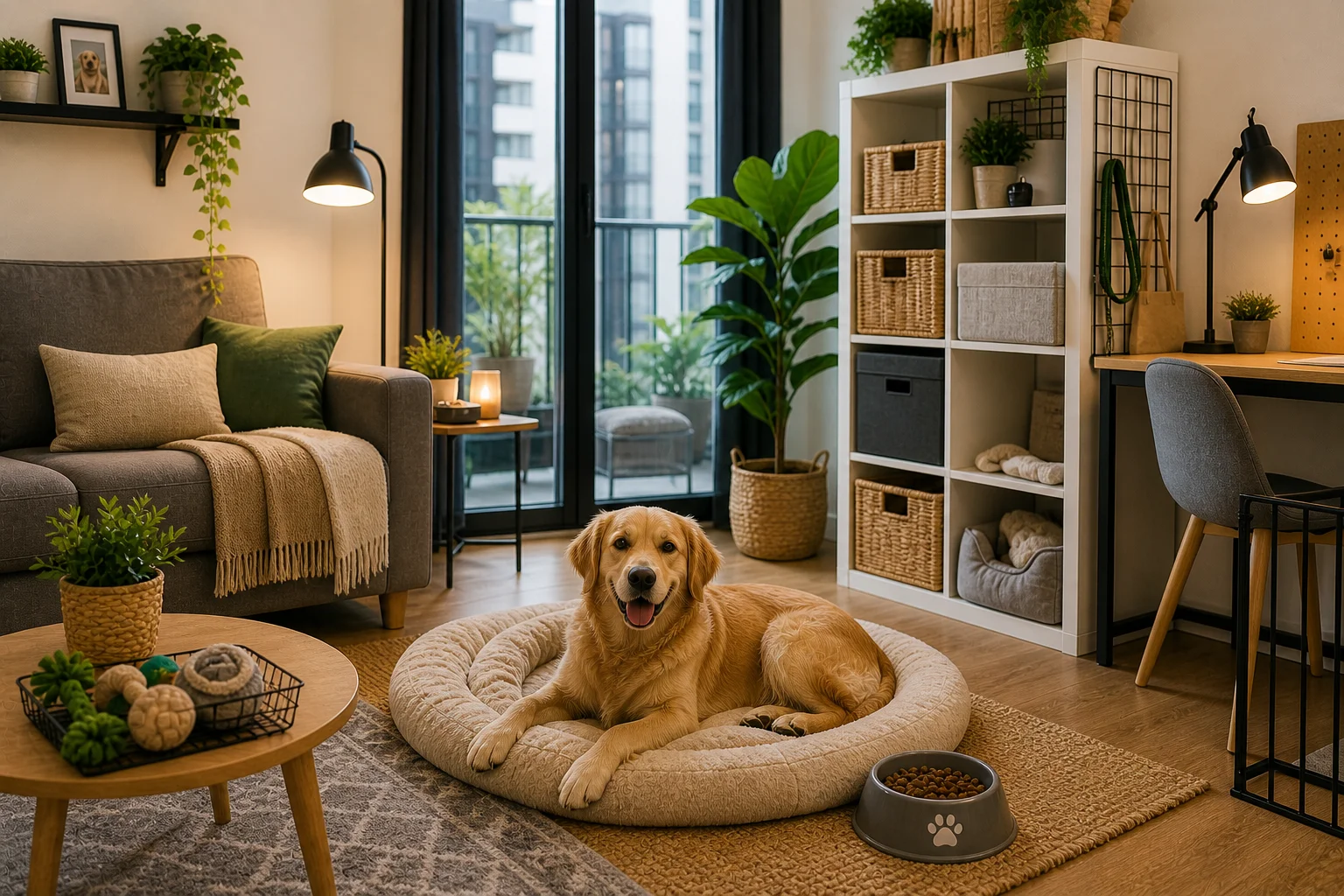
Living with a dog in an apartment can be an incredibly rewarding experience, but it also requires thoughtful planning and adjustments. Unlike houses with backyards and open spaces, apartments demand a more intentional approach to ensure that both you and your dog can live comfortably.
A dog-friendly apartment is not just about allowing pets—it is about creating an environment that supports your dog’s physical needs, mental stimulation, safety, and overall well-being. Without proper setup, small spaces can quickly become stressful for dogs, leading to behavioral issues, discomfort, and even health problems.
The good news is that with the right strategies, any apartment—regardless of size—can be transformed into a safe, functional, and enjoyable space for your dog.
In this article, you will learn how to create a dog-friendly apartment, from organizing your space to improving comfort, safety, and daily functionality.
Understanding Your Dog’s Needs in an Apartment
Before making changes to your apartment, it is important to understand what your dog needs to thrive.
Space and Movement
While dogs can adapt to smaller spaces, they still need room to move comfortably. Proper organization helps maximize available space.
Safety
Apartments often contain hazards such as wires, furniture edges, or small objects that can pose risks.
Comfort
A comfortable environment helps your dog relax and feel secure.
Mental Stimulation
Since outdoor exposure is limited, indoor stimulation becomes essential.
Designing a Functional Layout
The way you organize your apartment plays a major role in your dog’s comfort.
Create Defined Zones
Divide your apartment into specific areas for different activities.
Sleeping Area
Your dog should have a dedicated space for rest, such as a comfortable bed in a quiet corner.
Feeding Area
Choose a consistent spot for food and water bowls to establish routine.
Play Area
Designate a small area where your dog can play safely without damaging furniture.
Keep Pathways Clear
Ensure your dog can move freely without obstacles. Clutter can cause stress and increase the risk of accidents.
Use Space Efficiently
In small apartments, every inch matters. Use multifunctional furniture and storage solutions to keep the space organized.
Making Your Apartment Safe for Dogs
Safety is one of the most important aspects of a dog-friendly apartment.
Secure Hazardous Items
Keep cleaning products, medications, and small objects out of reach.
Manage Cables and Wires
Dogs may chew on exposed wires, which can be dangerous. Use covers or hide cables.
Choose Pet-Friendly Furniture
Opt for durable materials that are easy to clean and resistant to scratches.
Prevent Slippery Surfaces
Use rugs or mats to provide better traction and prevent injuries.
Creating a Comfortable Environment
Comfort is essential for your dog’s well-being.
Provide a Quality Bed
A comfortable bed supports your dog’s rest and helps create a sense of security.
Control Temperature
Ensure your apartment is not too hot or too cold.
Reduce Noise
Apartments can be noisy environments. Minimizing loud sounds helps reduce stress.
Add Familiar Items
Toys and blankets help your dog feel more at home.
Managing Cleanliness and Hygiene
Maintaining cleanliness is crucial in small spaces.
Regular Cleaning Routine
Vacuum and clean surfaces frequently to manage hair and odors.
Grooming Area
Set up a small space for grooming to keep your apartment organized.
Odor Control
Use pet-safe cleaning products to maintain a fresh environment.
Providing Mental and Physical Stimulation
A dog-friendly apartment must include opportunities for activity and engagement.
Indoor Activities
Interactive toys, training, and games help keep your dog mentally stimulated.
Daily Walks
Regular walks are essential for physical exercise and exposure to new environments.
Rotating Toys
Changing toys periodically keeps your dog interested.
Reducing Noise and Disturbance
Noise management is important in shared living spaces.
Train Quiet Behavior
Teach your dog to remain calm and avoid excessive barking.
Use Soft Materials
Rugs and furniture can help absorb sound.
Be Considerate of Neighbors
Maintaining a quiet environment helps avoid conflicts.
Creating a Routine-Friendly Environment
Your apartment should support a consistent daily routine.
Fixed Feeding Area
Keep feeding in the same location to reinforce habits.
Designated Rest Time
Encourage your dog to rest in its designated area.
Structured Activities
Incorporate regular play and training sessions.
Dog-Proofing Your Apartment
Dog-proofing helps prevent accidents and damage.
Remove Dangerous Items
Keep toxic plants and harmful objects out of reach.
Protect Furniture
Use covers or barriers if needed.
Secure Doors and Windows
Ensure your dog cannot escape or access unsafe areas.
Adapting Your Apartment Over Time
Your dog’s needs may change as it grows or ages.
Adjust Space as Needed
Modify your setup based on your dog’s size and behavior.
Introduce New Activities
Keep your dog engaged with new experiences.
Monitor Behavior
Observe how your dog interacts with the environment and make adjustments.
Common Mistakes to Avoid
Avoiding these mistakes can improve your dog’s experience.
Ignoring Space Limitations
Not adapting your apartment layout can lead to discomfort.
Lack of Structure
An unorganized environment can cause stress.
Insufficient Stimulation
Without proper activities, dogs may develop behavioral issues.
Overcrowding the Space
Too many objects can limit movement and increase stress.
Signs Your Apartment Is Dog-Friendly
Your dog’s behavior can indicate whether your environment is working.
Calm Behavior
A comfortable dog is relaxed and well-behaved.
Healthy Activity Levels
Your dog is active but able to rest when needed.
Minimal Destructive Behavior
A well-adapted dog is less likely to damage objects.
Consistent Routine
Your dog follows regular eating, sleeping, and activity patterns.
Final Thoughts
Creating a dog-friendly apartment is about more than just making space—it is about building an environment that supports your dog’s physical, mental, and emotional needs. With thoughtful organization, proper safety measures, and consistent routines, even the smallest apartment can become a comfortable and enriching home for your dog.
By understanding your dog’s needs and making intentional adjustments, you can create a space where both you and your dog can thrive. A well-designed apartment not only improves your dog’s quality of life but also makes daily living more enjoyable, organized, and stress-free for you.
