
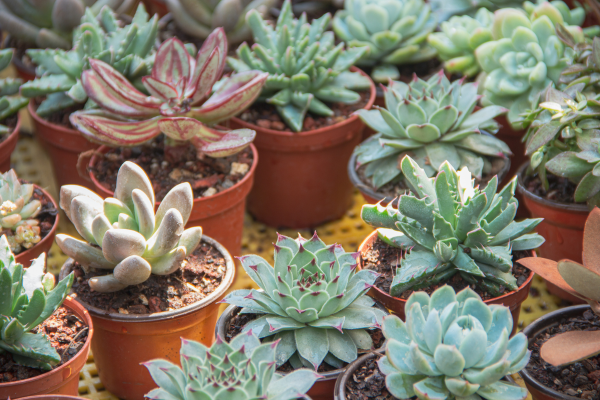
I killed my first genuinely rare succulent not with neglect, but with kindness. A Conophytum I’d been babying for months finally looked strong enough to “reward,” so I hit it with a full-strength houseplant fertilizer meant for tropical foliage, the kind of product that promises lush, rapid growth. Within a week the tight little body had gone soft and slightly translucent at the base, and within a month it was gone. It took me an embarrassingly long time to connect the two events, mostly because I’d assumed fertilizer was one of those things you couldn’t really get wrong, just a bonus on top of good care.
That assumption is wrong, and it’s a more common mistake than people admit. Rare succulents don’t grow like tomatoes or pothos, and feeding them like fast-growing plants doesn’t just waste product, it can actively push a slow, sensitive specimen past what its roots can handle. If you’ve already sorted out your watering schedule for slow-growing varieties and you’re working with a soil mix that actually drains, fertilizer is the next variable worth getting right, but it deserves far more caution than the label on the bottle usually suggests.
Why Rare Succulents Need Less Than You Think
Most fertilizers are formulated around the assumption that plants want to grow as fast as possible. For a lot of species, that’s true. For slow, compact, collector-grade succulents, it usually isn’t. Many of these plants evolved to survive in nutrient-poor, rocky substrates, and their natural growth rate is already conservative by design. Pushing them with a nitrogen-heavy feed doesn’t make them “healthier,” it forces soft, stretched, uncharacteristically fast growth that’s structurally weaker and far more vulnerable to rot, pests, and sunburn.
This is closely related to a problem I’ve written about before: nutrient deficiency in rare succulents is real and does happen, but it’s far less common than overfeeding, and the symptoms of the two can look surprisingly similar if you don’t know what you’re looking at.
What Kind of Fertilizer Actually Works
After losing that Conophytum, and a couple of near-misses afterward, I settled on a short list of rules I still follow:
- Dilute far more than the label says. I typically use a quarter to a half of the recommended strength for tropical houseplants, and even that feels aggressive for the slowest-growing species in my collection.
- Choose a balanced or low-nitrogen formula. A fertilizer with a lower first number (nitrogen) relative to phosphorus and potassium encourages root and structural development instead of soft top growth.
- Feed only during active growth. This means paying close attention to each plant’s actual growing season, not the calendar. Winter growers and summer growers respond very differently, and feeding a dormant plant is close to pointless at best and stressful at worst.
- Skip it entirely for stressed or recently repotted plants. A specimen that’s still acclimating after import or recovering from a transplant needs stability, not stimulation.
Reading the Plant Instead of the Schedule
The best signal I’ve found isn’t a calendar reminder, it’s the plant itself. New growth that’s proportionate, correctly colored, and appropriately compact is a good sign feeding is working. Growth that’s suddenly pale, elongated, or oddly glossy is usually a sign to back off immediately, similar to the stretching pattern I described when writing about etiolation in succulents, though the cause there is light rather than feed.
Soil quality matters here too. A fast-draining mix, like the one I described in my guide to building the perfect soil mix for delicate succulents, gives any excess fertilizer somewhere to go instead of sitting around fragile roots. Feeding a plant that’s already in dense, slow-draining soil is one of the fastest ways to turn a helpful nutrient boost into a rot problem.
The Bottom Line
Fertilizer isn’t a shortcut to a healthier collection, it’s a fine-tuning tool for plants that are already growing well under the right light, water, and soil conditions. Used sparingly and at the right time of year, it can help a rare succulent fill out and strengthen over a season. Used the way most bottles suggest, it’s one of the quieter ways collectors lose expensive plants without ever suspecting the fertilizer was the problem.
