
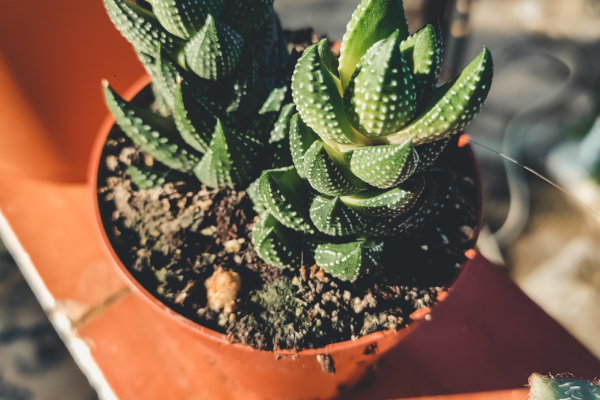
Somebody asked me once how long it would take before their newly sown Ariocarpus seeds would look like the mature specimen in the photo that had convinced them to try growing one from scratch. I remember doing some quick mental math and then deciding it was kinder to just say “years” rather than giving an exact number that might have talked them out of trying at all. The honest answer, for a lot of the genuinely rare species collectors get excited about, involves timelines that don’t fit comfortably into how most of us think about gardening. Understanding that upfront changes the entire experience of growing from seed, from a source of frustration into something closer to a long-term, genuinely rewarding project.
Why Seed-Grown Timelines Vary So Dramatically
Growth rate from seed depends on a combination of factors that vary enormously between species: the plant’s natural growth habit, its native climate and how closely you’re able to replicate favorable conditions, and simply how much biological “effort” a given species puts into early growth versus long-term development of features like a thick caudex or a dense, slow-forming rosette.
Fast-growing, common succulents can go from germination to a reasonably mature-looking plant within a year or two under good conditions. Many of the genuinely rare species we’ve discussed throughout this series operate on an entirely different scale. Ariocarpus fissuratus, mentioned back in 10 Rare Succulent Varieties Every Collector Should Know, can take a decade or more to reach even a modest size from seed, and considerably longer to develop the mature, textured crown that makes an established specimen so visually distinctive.
Germination: The First Hurdle
Before any of the longer-term growth timeline even begins, seeds need to actually germinate, and this step alone can present real challenges with rare species. Many require very specific conditions to trigger germination successfully, sometimes including particular temperature ranges, light exposure, or even a period of cold stratification mimicking a natural seasonal cycle the seed would experience in habitat before germinating in the wild.
Fresh seed, harvested relatively recently from a hand-pollination attempt like the ones discussed in Hand-Pollinating Succulents to Create New Hybrids, generally germinates more reliably than older seed that’s been stored for an extended period, since viability tends to decline gradually over time even under good storage conditions. Germination rates for rare species also tend to run lower overall compared to common, commercially produced succulent seed, meaning sowing a reasonably generous quantity of seed, when available, improves your odds of ending up with at least a handful of successfully germinated seedlings.
The Vulnerable Seedling Stage
Succulent seedlings, especially in their first several months, are considerably more delicate than the mature plants most growers are accustomed to caring for, and this stage requires a meaningfully different care approach than what works for an established specimen. Seedlings generally need more consistent moisture than mature succulents, since their tiny, undeveloped root systems can’t yet handle the extended dry periods that adult plants tolerate well, even though excess moisture remains a genuine rot risk throughout this stage as well.
Light also needs careful calibration during this period, since young seedlings are considerably more vulnerable to sunburn than mature plants, following the same acclimation logic we discussed in How to Acclimate a Newly Imported Succulent, but starting from an even more sensitive baseline. Most growers keep seedlings under gentle, filtered light or modest grow light exposure for their first several months, only gradually introducing stronger light as the seedlings develop some resilience.
Early Growth: Slow and Easy to Underestimate
Once past the initial germination and early seedling stage, growth for many rare species continues at a pace that can feel almost imperceptible on a week-to-week basis, even though real progress is happening. This is particularly true for species that invest heavily in root or caudex development early on, sometimes putting more visible growth energy below the soil surface than above it during these early years, which can make a young seedling look deceptively unchanged for months at a time despite genuine developmental progress happening out of sight.
This slow, quiet early growth period is exactly where a lot of growers lose patience and either give up on a seedling prematurely, assuming it’s failed to thrive, or inadvertently stress the plant by overcorrecting care in an attempt to speed up visible progress that the plant simply isn’t ready to show yet.
Milestones Along the Way
For most rare, slow-growing species, there are a few general milestones worth watching for, even if the exact timeline varies considerably by species and growing conditions. The first year or two typically focuses on basic establishment: consistent, if slow, growth without major setbacks, and the gradual development of a root system and initial plant structure appropriate to the species.
The following several years, for many of the slowest-growing rare species, often bring more visible, if still gradual, development toward the plant’s characteristic mature features, whether that’s the beginning of a caudex swelling on a caudiciform species, or the early formation of the ribbed, textured surface typical of a maturing cactus. Full maturity, complete with the dramatic size, texture, and coloration that made a species desirable in the first place, can take anywhere from five to twenty or more years depending on the specific species, meaning seed-grown propagation of the rarest, slowest species is genuinely a project that spans a meaningful portion of a grower’s life rather than a single growing season.
Why Seed-Grown Plants Command Respect Among Collectors
Given these timelines, it makes sense that mature, seed-grown specimens of genuinely slow species carry real value and respect within collector communities, quite apart from whatever their market price happens to be. A well-formed, decades-old, seed-grown Ariocarpus or Copiapoa represents years of consistent, careful attention from whoever grew it, and that history is part of what makes acquiring or growing such a specimen feel meaningfully different from simply purchasing a fast-grown, common succulent that reached maturity within a single season.
This is also part of why ethically sourced, seed-grown specimens of protected or habitat-restricted species, discussed regarding several genuinely rare plants in Top 5 Succulents That Are Nearly Impossible to Find, represent such an important alternative to wild collection. Every seed-grown plant that reaches maturity in cultivation reduces pressure on already vulnerable wild populations, even though the individual grower’s path to that mature plant required a genuinely long-term commitment most casual succulent enthusiasts never end up making.
Setting Realistic Expectations Before You Start
If you’re considering growing a genuinely rare, slow species from seed, it’s worth going in with clear expectations rather than the vague optimism that often accompanies a first attempt. This isn’t a project that will produce a shelf-worthy, mature specimen within a year or two, and treating it as though it should tends to lead to exactly the kind of frustration and premature abandonment that wastes both the seed and the effort already invested.
Instead, it helps to think of seed growing as an ongoing, long-term relationship with a plant’s development rather than a task with a clear finish line. Documenting progress along the way, even when that progress feels minor from month to month, tends to make the process feel more rewarding, since looking back at photos from a year or two earlier often reveals more meaningful change than day-to-day observation alone would suggest. For collectors drawn specifically to the rarest, slowest-growing species in this hobby, that patient, long-term perspective isn’t really a drawback to work around. It’s part of what makes successfully raising one of these plants from seed feel like such a genuine accomplishment once it finally happens.
