
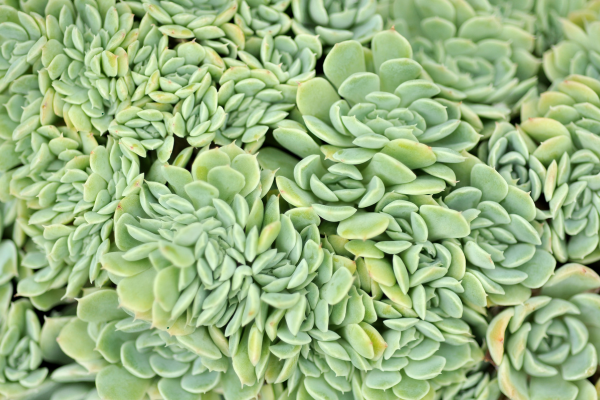
A seller once tried to convince me that a plain Graptopetalum paraguayense, the common ghost plant found in nearly every garden center succulent section, was actually a rare hybrid variety worth triple the normal price, based entirely on it having a slightly bluer tone than usual. I nearly bought it, mostly because I genuinely wasn’t confident enough in my own knowledge of the genus to push back. That uncertainty bothered me enough afterward that I spent a weekend actually researching the full range of Graptopetalum varieties properly, and it turned out the plant in question was just an unusually well-grown, well-lit specimen of the same common species sold everywhere, nothing rare about it at all.
Graptopetalum, and the ghost plant in particular, occupies a strange position in the succulent world. It’s common enough to be considered a beginner plant by most standards, sold cheaply and widely, yet the genus also contains genuinely rare and desirable varieties and hybrids that get passed off, intentionally or not, as something more exotic than they are. Knowing how to actually tell these apart is useful both for avoiding overpaying and for recognizing when you’ve genuinely found something worth paying a premium for.
What Makes the Common Ghost Plant “Common”
Graptopetalum paraguayense earned its widespread popularity precisely because it’s forgiving, fast-propagating, and visually appealing without requiring much specialized care. Its pale, dusty blue-gray rosettes with a soft pink or lavender flush under strong light are attractive enough that it’s become a staple of casual succulent arrangements, and it propagates so readily from both leaf cuttings and offsets that nurseries can produce it in enormous volume at very low cost.
This ease of propagation is actually the core reason the species stays inexpensive regardless of how attractive an individual specimen looks. Unlike genuinely rare cultivars, where propagation is slow and supply-limited, ghost plants multiply quickly and reliably, which keeps market prices low no matter how striking an individual plant’s coloration happens to be under good light. A particularly vivid, well-colored ghost plant is still, genetically, the same common species as a faded one sitting in a discount bin, the color difference reflects light exposure and growing conditions rather than any underlying rarity.
Where the Genuine Rarity in Graptopetalum Actually Lives
The confusion buyers run into usually comes from the fact that Graptopetalum genuinely does include rarer species and, more significantly, plays a major role as a parent genus in numerous prized intergeneric hybrids. Graptoveria, crosses between Graptopetalum and Echeveria, and xGraptosedum, crosses with Sedum, include some genuinely striking and less common cultivars that command real premiums, particularly named cultivars with documented breeding history.
This is exactly the kind of distinction worth understanding through the lens I covered when writing about cultivar names versus species names. A plant labeled simply Graptopetalum paraguayense is describing the common species itself. A plant labeled xGraptoveria ‘Fred Ives’ or a similarly specific named hybrid cultivar is describing something entirely different, a deliberately bred, vegetatively propagated cross with its own documented lineage and considerably more limited supply. The genus prefix and the presence or absence of a cultivar name in quotes are the clearest signals for telling these apart at a glance.
Certain rarer Graptopetalum species themselves, beyond paraguayense, also exist and are considerably less commonly available. Species like Graptopetalum bellum, with its distinctly more compact form and vivid pink flowers, or Graptopetalum pentandrum, look meaningfully different from the ubiquitous ghost plant and occupy a genuinely different price tier for legitimate reasons related to slower propagation and lower overall cultivation volume.
Visual Cues That Actually Matter
Rosette tightness and leaf shape are among the more reliable visual distinctions. The common ghost plant tends toward a looser, more open rosette with elongated, somewhat pointed leaves. Many of the rarer species and hybrid cultivars show noticeably tighter, more compact rosette formation, with rounder or more distinctly shaped leaves depending on the specific cross.
Color alone is one of the least reliable indicators, precisely because the common ghost plant’s color range under different light conditions is broad enough to mimic the coloring of rarer varieties. This is worth keeping in mind alongside general lighting knowledge, since a plant’s color under strong light, similar to what’s discussed regarding ideal light requirements for rare succulent species, can shift dramatically without any change in the plant’s underlying genetics. A pale, washed-out ghost plant moved into stronger light will often develop the same vivid pink and blue tones that sellers sometimes point to as evidence of rarity, when it’s really just a lighting response common to the entire genus and many of its relatives.
Growth habit over time is a better long-term indicator than any single snapshot. The common ghost plant tends to grow leggy relatively quickly, developing visible stem and a somewhat sprawling habit as it matures, which is part of why it’s often used as a trailing or cascading plant in arrangements. Many hybrid cultivars maintain tighter, more compact growth for considerably longer, which is one of the traits that makes them desirable and part of why they’re bred and selected for in the first place.
Questions Worth Asking Before Paying a Premium
When a Graptopetalum or Graptopetalum-adjacent plant is priced well above typical ghost plant rates, it’s worth asking directly what specific cultivar or hybrid name the seller is using, and whether that name corresponds to a documented, recognized cultivar rather than a descriptive but informal label invented for the listing. It’s also worth asking about the plant’s origin, whether it came from a known breeder or nursery specializing in Graptoveria and related hybrids, since that kind of traceable provenance tends to correlate with genuine rarity far more reliably than appearance alone.
If a seller’s justification for a premium price rests primarily on color or size rather than a specific documented cultivar or species identity, that’s a reasonable signal to be skeptical, since both of those traits are heavily influenced by growing conditions and don’t reflect genetic rarity on their own.
The Practical Takeaway
Graptopetalum paraguayense is a genuinely useful, attractive plant, and there’s nothing wrong with buying and enjoying it at the low prices it typically commands. The issue only arises when a common plant gets marketed with rare-plant pricing based on cosmetic traits that don’t actually indicate rarity. Learning to recognize the difference between the ubiquitous ghost plant and its genuinely rarer relatives and hybrid cultivars, largely through rosette structure, growth habit over time, and documented naming rather than color alone, is enough to avoid the kind of overpriced near-purchase I almost made, and it makes spotting an actually rare Graptoveria cultivar considerably easier when one does show up.
