
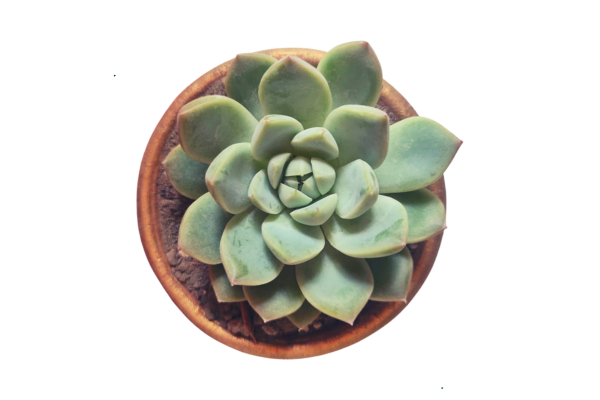
I used to skip quarantine entirely, mostly out of impatience. A new rare specimen would arrive and I’d want it displayed with the rest of the collection immediately, proud of the addition rather than treating it with any real caution. It took a mealybug infestation spreading from a single new arrival to three other plants, one of them a specimen I’d been growing for years, before I took quarantine seriously as a genuinely necessary step rather than an overly cautious inconvenience. Looking back, that single lapse in patience cost me far more time and stress than simply waiting a few weeks ever would have.
Why Quarantine Matters More Than It Seems
Every new plant entering your collection, regardless of how reputable the seller or how healthy the plant appears on arrival, carries some inherent risk of introducing pests or disease that aren’t yet visible at the point of purchase. We’ve touched on this repeatedly throughout this series, whether discussing the fungal infections that can remain latent through shipping, or the pest infestations that sometimes only become apparent once a plant has settled into a new environment and the stress of transit has had time to weaken its natural defenses.
Quarantine addresses this uncertainty directly, creating a buffer period and physical separation that allows any hidden problems to reveal themselves before they have the opportunity to spread to your existing, established collection. Given how much time and care goes into building a healthy collection of genuinely rare, often irreplaceable specimens, this buffer period represents a relatively small investment of patience against a potentially serious setback.
How Long Quarantine Should Last
There’s no single universal answer here, since different pests and diseases have different incubation periods before becoming visibly apparent, but most experienced growers settle on somewhere between three and six weeks as a reasonable quarantine duration for new arrivals. This timeframe accounts for the extended observation period discussed in our fungal infection article, where symptoms sometimes don’t appear until well after the initial stress of shipping and acclimation has passed, while also being practical enough that it doesn’t indefinitely delay integrating healthy new plants into your main collection.
Specimens showing any signs of stress, minor pest activity, or unclear symptoms during this initial quarantine window generally warrant extending the isolation period further, continuing until the plant has shown clear, consistent health for at least a couple of weeks beyond whatever concern originally arose, rather than releasing it into your main collection based on an arbitrary date alone.
Physical Separation Considerations
Effective quarantine requires genuine physical separation, not just a slightly different spot on the same shelf as your existing collection. Many common succulent pests, discussed throughout this troubleshooting category, can spread between plants that are simply positioned closely together, whether through direct leaf contact, water splash during watering, or insects that move short distances between nearby pots on their own.
Ideally, quarantined plants should be kept in an entirely separate room or, at minimum, a clearly separated area with some physical distance from your main collection, using separate watering tools if possible, or at least cleaning shared tools thoroughly between use on quarantined versus established plants. This level of separation can feel excessive for a single new arrival, but it’s precisely this thoroughness that prevents the kind of collection-wide spread that a more casual approach to quarantine risks allowing.
What to Watch for During Quarantine
The quarantine period isn’t just about waiting passively for a set number of weeks, it’s an active observation window where you’re specifically checking for the kinds of symptoms discussed throughout this troubleshooting category. This includes the pest signs covered in our mealybug article, checking tight crevices and hidden spots regularly rather than relying on a single initial inspection at the time of arrival, as well as watching for the fungal lesions, unusual discoloration, or developing softness that might indicate an infection that wasn’t apparent when the plant first arrived.
It’s worth examining the plant closely at least once a week throughout the quarantine period, rather than simply glancing at it occasionally, since many of the early warning signs discussed throughout this series are genuinely subtle and easy to miss without deliberate, close inspection. Keeping brief notes on what you observe during each check, even just noting that everything looked normal on a given date, helps track whether any changes are developing gradually over the quarantine period that might not be obvious from a single observation alone.
Repotting During Quarantine
Quarantine offers a practical opportunity to repot a new arrival into your preferred soil mix, discussed in How to Create the Perfect Soil Mix for Delicate Succulents, while the plant is already isolated from your main collection. That said, this repotting should still follow the gradual acclimation timeline discussed in How to Acclimate a Newly Imported Succulent, generally waiting at least a week or two after arrival before disturbing the root system, rather than repotting immediately just because the plant happens to be in isolation already.
Repotting during quarantine also provides a useful opportunity to inspect the root system directly for any signs of rot or root mealybugs that might not be visible from above-ground observation alone, giving you a more complete picture of the plant’s actual health before deciding it’s ready to join your main collection.
Handling a Confirmed Problem During Quarantine
If quarantine does reveal a genuine pest or disease issue, the isolation already in place makes treatment considerably more manageable than if the same problem had been discovered after the plant had already spent weeks positioned among your established collection. Whatever treatment approach is appropriate, whether the natural pest control methods discussed in our dedicated article, or more targeted treatment for a specific fungal or bacterial issue, can proceed within the quarantine space without any risk of the problem having already spread elsewhere.
This is really where quarantine proves its full value: not just in the cases where a new arrival turns out to be perfectly healthy, but specifically in the cases where a genuine problem is caught and contained before it ever had the chance to threaten your broader collection.
Extending Quarantine for High-Risk Sources
Some situations warrant an even more cautious approach to quarantine duration and observation intensity than the general guidelines above. Plants sourced from international sellers, particularly those shipped from regions or through processes where pest and disease risk tends to run higher, or plants purchased from less established sellers without a strong track record, discussed in relation to sourcing evaluation in How to Spot a Fake or Mislabeled Rare Succulent Online, both represent situations where extending quarantine somewhat beyond the standard three to six week window offers reasonable additional protection given the somewhat elevated uncertainty involved.
Making Quarantine a Consistent Habit
The hardest part of quarantine, honestly, tends to be discipline rather than technique. It’s genuinely tempting to skip or shorten quarantine for a plant that arrives looking perfectly healthy, especially when you’re excited about a new addition and eager to see it settled in among the rest of your collection. Building quarantine into your routine as a non-negotiable step for every new arrival, regardless of how healthy it appears or how reputable the source, removes this temptation and the inconsistent judgment calls that come with deciding case by case whether a particular plant “probably” doesn’t need the full process.
Given how much time, effort, and often money goes into building a genuinely rare succulent collection, and how difficult many of these specimens are to replace once lost, that consistent discipline around quarantine remains one of the simplest, most effective protective habits a serious collector can maintain, protecting not just each individual new arrival, but the health and stability of an entire collection built up over years of careful, patient work.
