
A specimen I imported a couple of years back arrived looking perfectly healthy, only to develop strange dark lesions along one side within a few weeks of settling into its new home. It took some research and a fair bit of trial and error to identify it as a fungal infection, likely one that had been present in a very early, undetectable stage even before the plant shipped, only becoming visible once the stress of transit and a change in growing environment gave it room to develop. Imported rare succulents face a genuinely elevated risk of fungal issues compared to plants that have spent their entire life in a single, stable growing environment, and understanding why helps explain what to watch for during those critical first weeks and months.
Why Imported Plants Face Elevated Fungal Risk
International shipping subjects plants to exactly the conditions fungal pathogens tend to favor: extended periods in enclosed, often humid packaging, temperature fluctuations that can stress a plant’s natural defenses, and physical handling that sometimes creates small wounds or abrasions serving as entry points for infection. This compounds with the acclimation stress discussed in How to Acclimate a Newly Imported Succulent, since a plant already dealing with the general shock of transit and environmental change has fewer resources available to fight off an opportunistic fungal infection than it would under normal, stable conditions.
Additionally, some fungal pathogens can be present on a plant or in its growing medium in a dormant or very early state that isn’t visibly detectable at the point of shipping, only becoming active and symptomatic once conditions, whether humidity during transit or the different growing environment at the destination, favor their development. This means even a plant that appeared completely healthy when it left the seller’s care can develop symptoms weeks after arrival, which is part of why the extended observation period discussed in our acclimation guide matters as much for catching disease as it does for managing light and watering adjustments.
Recognizing Common Fungal Symptoms
Fungal infections in succulents present in several different ways depending on the specific pathogen involved, though a few general patterns show up frequently enough to be worth watching for specifically. Dark, sunken lesions on leaves or stems, sometimes with a slightly fuzzy or powdery texture at their center, often indicate fungal activity, distinct from the more diffuse mushiness typically associated with the bacterial rot discussed in our root rot article, though the two can sometimes occur together, particularly once a plant’s overall health has been compromised.
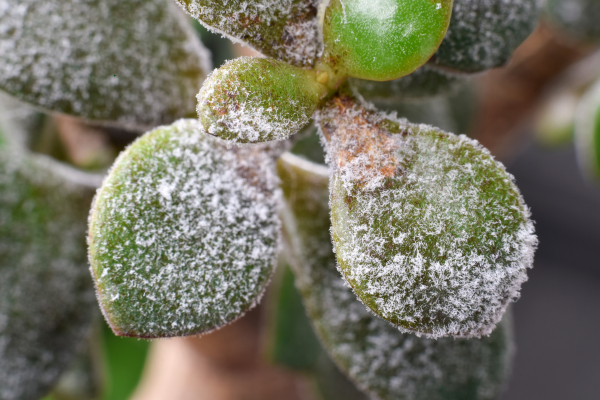
Some fungal infections present as a powdery, dusty coating across leaf surfaces, most commonly appearing as powdery mildew, which tends to favor humid, poorly ventilated conditions and can spread relatively quickly across a plant’s surface once established. Others cause more localized, spreading discoloration, sometimes starting as small spots that gradually enlarge and merge together as the infection progresses through healthy tissue surrounding the original point of infection.
Distinguishing Fungal Issues From Other Problems
Given how many succulent problems can present with somewhat similar visible symptoms, distinguishing genuine fungal infection from the sunburn discussed in our light requirements article, or the various forms of stress-related discoloration covered throughout this series, matters considerably for choosing an appropriate response. Fungal lesions typically have a more defined, often somewhat circular or irregular spreading pattern with a texture distinct from the surrounding healthy tissue, sometimes showing visible fuzzy or powdery fungal growth directly on the affected area, which sunburn and general environmental stress don’t typically produce.
Fungal issues also tend to progress and spread over time if left untreated, gradually affecting more of the plant or moving to nearby leaves, whereas environmental damage like sunburn typically stays limited to the specific area that experienced the triggering stress, without continuing to actively spread across otherwise healthy tissue in the same way an active fungal infection does.
Quarantine as a First Response
Any newly imported plant showing signs of possible fungal infection should be kept isolated from the rest of your collection immediately, following the broader quarantine practices discussed in How to Quarantine a New Succulent Before Adding to Your Collection. Many fungal pathogens can spread between plants through water splash, shared air in poorly ventilated spaces, or direct contact between touching leaves, meaning a single infected import can genuinely threaten an entire established collection if introduced without adequate isolation during this observation period.
This isolation should continue well beyond the point where visible symptoms seem to resolve, since some fungal infections can appear to clear up while pathogens remain present at low, less visually obvious levels, capable of resurging once the plant’s guard, so to speak, is back down or environmental conditions shift back toward favoring fungal activity.
Treatment Approaches for Fungal Infections
Removing visibly affected tissue, cutting back into clearly healthy material with a clean, sharp tool similar to the approach used for root rot treatment, often represents an important first step in managing a fungal infection, physically removing the bulk of the pathogen load along with the damaged tissue itself. This should be done carefully to avoid spreading fungal spores to unaffected areas of the same plant or to nearby plants during the process, ideally disposing of removed material away from your growing space rather than leaving it nearby where spores could potentially spread further.
Fungicidal treatments, whether specifically labeled for succulents or more general options that have been researched for succulent safety, can help address active infection, though as with the pest treatments discussed in our mealybug article, it’s worth testing any treatment on a small area first, particularly with delicate, farina-coated, or otherwise sensitive rare specimens, given that fungicides can sometimes cause their own tissue stress or discoloration on sensitive plant surfaces.
Adjusting Environmental Conditions to Discourage Fungal Growth
Beyond direct treatment, addressing the environmental conditions that favor fungal development matters considerably for both treating an active infection and preventing recurrence. Improving airflow around an affected plant, discussed in relation to general humidity management in Humidity Control for Succulents in Dry Climates, helps create conditions less favorable to fungal spread, since most fungal pathogens thrive specifically in stagnant, humid air rather than well-ventilated spaces where moisture doesn’t linger on plant surfaces.
Reducing watering frequency and ensuring water doesn’t sit on leaf surfaces or in tight rosette centers, watering at the soil level directly rather than from overhead, also reduces the moisture availability that fungal pathogens depend on to establish and spread, connecting back to the broader watering principles discussed throughout our care category.
Extended Observation for New Imports
Given how fungal infections can remain latent for a period before becoming symptomatic, it’s worth extending the careful observation period for newly imported rare specimens beyond just the first couple of weeks typically associated with general acclimation stress. Continuing to check new imports closely for the first month or two, watching specifically for any developing lesions, discoloration, or unusual texture changes, catches fungal issues while they’re still limited and treatable, rather than allowing an unnoticed infection to progress to the point where it threatens the plant’s overall survival or spreads to other specimens in your collection.
Working With Reputable Sellers to Reduce Risk
While no import is entirely without risk, purchasing from established, reputable sellers with a track record of healthy, well-maintained stock, similar to the seller evaluation approach discussed in How to Spot a Fake or Mislabeled Rare Succulent Online, tends to reduce, though never entirely eliminate, the likelihood of receiving a plant with an underlying fungal issue. Sellers who maintain good growing conditions, appropriate spacing, and general plant health in their own operations are simply less likely to be shipping out compromised stock in the first place, even though the shipping process itself always introduces some inherent risk regardless of how healthy a plant was before it left the seller’s care. Combining this careful sourcing with the extended, attentive observation period discussed throughout this article gives newly imported rare specimens the best realistic chance of settling into a long, healthy life in your collection without the setback of an unnoticed fungal infection taking hold during those first vulnerable weeks.
