
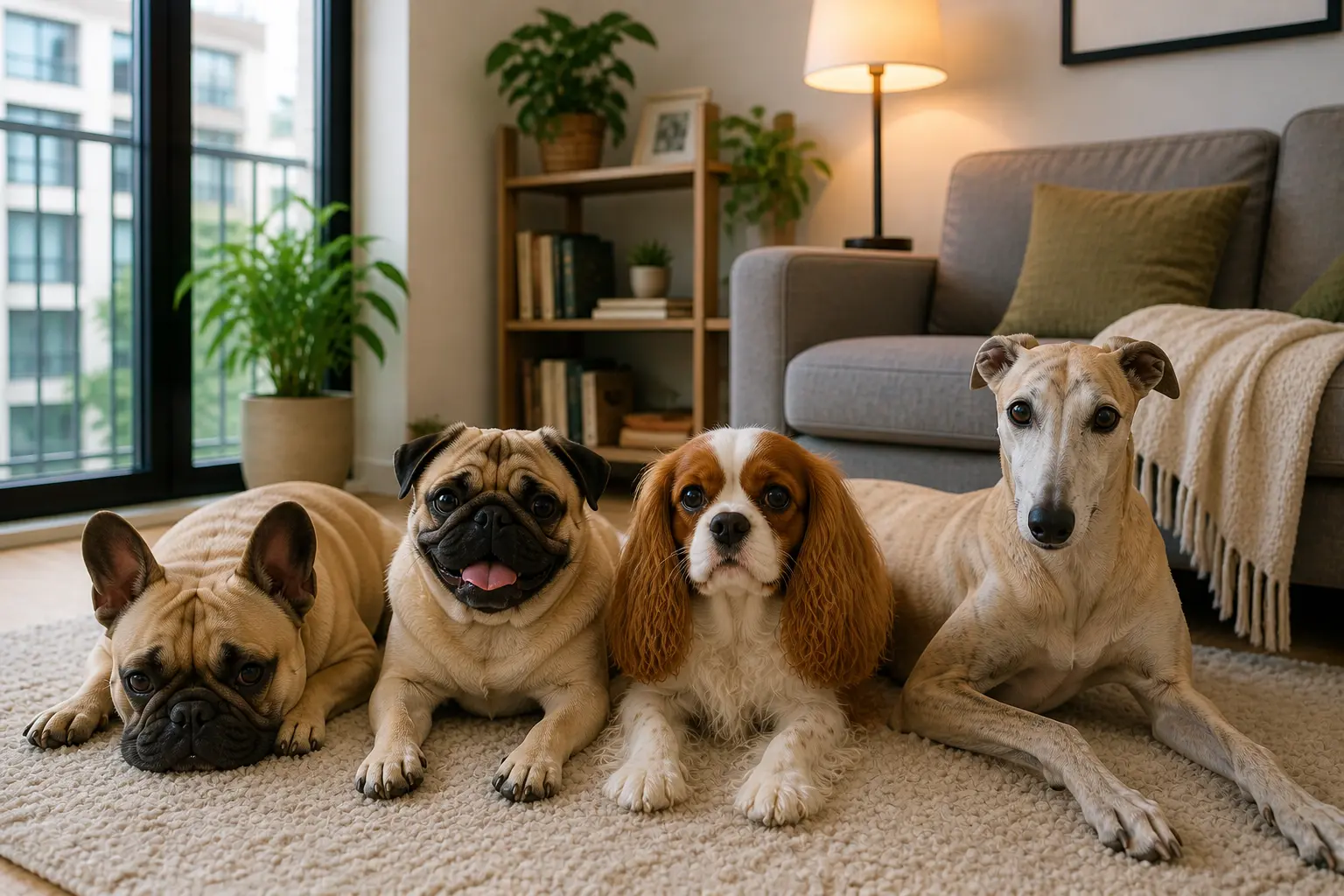
When living in a small apartment, one of the biggest challenges of owning a dog is managing its energy level. Many behavioral problems—such as excessive barking, destruction of furniture, and anxiety—are directly linked to dogs that have more energy than their environment allows them to release.
This is why choosing a low-energy dog breed is one of the smartest decisions for apartment living. These dogs are naturally calmer, require less physical activity, and adapt more easily to indoor environments. Instead of needing constant stimulation, they are comfortable with a balanced routine that includes moderate exercise and plenty of rest.
In this article, you will discover the best low-energy dog breeds for small spaces, understand why energy level matters more than size, and learn how to create a peaceful and comfortable environment for your dog.
Why Energy Level Matters More Than Size
One of the most common mistakes people make when choosing a dog for an apartment is focusing only on size. While smaller dogs may seem like the obvious choice, many of them are actually high-energy and require more activity than some larger breeds.
The Problem with High-Energy Dogs in Apartments
High-energy dogs need frequent exercise, mental stimulation, and space to move. When these needs are not met, they often develop unwanted behaviors such as excessive barking, chewing, digging, or restlessness.
In a small apartment, it can be difficult to provide enough stimulation to keep these dogs satisfied, especially if the owner has a busy schedule.
The Advantage of Low-Energy Dogs
Low-energy dogs are naturally more relaxed. They are comfortable spending long periods resting and do not require constant activity to stay happy. This makes them much easier to manage in smaller environments.
These dogs are ideal for people who prefer a calm lifestyle or who do not have time for intense daily exercise routines.
Characteristics of Low-Energy Dog Breeds
Before choosing a breed, it is important to understand what defines a low-energy dog. These characteristics will help you identify the best match for your lifestyle.
Calm Temperament
Low-energy dogs tend to have a relaxed and stable personality. They are less reactive to external stimuli and are more likely to remain calm in different situations.
Moderate Exercise Needs
Although all dogs need physical activity, low-energy breeds are satisfied with shorter walks and light play sessions. They do not require long or intense exercise routines.
Adaptability to Indoor Living
These dogs are well-suited for indoor environments. They are comfortable spending time inside and do not rely heavily on outdoor space to stay content.
Lower Tendency for Destructive Behavior
Because they are less restless, low-energy dogs are less likely to engage in destructive behavior when left alone for reasonable periods.
Best Low-Energy Dog Breeds for Small Apartments
Choosing the right breed is essential for creating a peaceful living environment. Below are some of the best low-energy dog breeds that adapt well to small spaces.
French Bulldog
French Bulldogs are one of the top choices for apartment living. They are calm, affectionate, and require minimal exercise. Most of their day is spent resting, making them ideal for small homes.
Pug
Pugs are friendly and relaxed dogs that enjoy indoor life. They have low exercise needs and are happiest when they are close to their owners. Their easygoing personality makes them perfect for apartments.
Shih Tzu
Originally bred as companion dogs, Shih Tzus are naturally suited for indoor environments. They are calm, affectionate, and do not require intense physical activity.
Cavalier King Charles Spaniel
This breed combines a gentle temperament with moderate energy levels. While they enjoy walks and playtime, they are equally content relaxing indoors.
Greyhound
Despite their athletic appearance, Greyhounds are surprisingly low-energy dogs. They enjoy short bursts of activity but spend most of their time resting, often earning the nickname “couch potato.”
Basset Hound
Basset Hounds are known for their laid-back personality. They are slow-moving, relaxed, and not particularly demanding when it comes to exercise.
Great Dane
Great Danes are large dogs with surprisingly low energy levels. They are calm, gentle, and enjoy lounging around, making them suitable for apartment living when properly cared for.
Bulldog
Bulldogs are known for their relaxed nature and minimal activity needs. They prefer short walks and long naps, making them ideal for small spaces.
How to Care for a Low-Energy Dog in an Apartment
Even though low-energy dogs are easier to manage, they still require proper care to stay healthy and happy.
Provide Regular Walks
Low-energy does not mean no energy. Daily walks are essential to maintain physical health and prevent weight gain.
Avoid Overfeeding
Because these dogs are less active, they are more prone to gaining weight. A balanced diet and portion control are important.
Offer Mental Stimulation
Interactive toys and simple training exercises help keep your dog mentally engaged and prevent boredom.
Maintain a Comfortable Environment
A cozy and organized space helps your dog feel secure. Providing a comfortable bed and a quiet resting area is essential.
Keep a Consistent Routine
Consistency in feeding, walking, and playtime helps create stability and reduces anxiety.
Common Mistakes When Choosing a Low-Energy Dog
Many people misunderstand what “low-energy” really means and end up making avoidable mistakes.
Assuming No Exercise Is Needed
All dogs need some level of physical activity. Skipping walks can lead to health problems and behavioral issues.
Ignoring Mental Stimulation
Even calm dogs need mental engagement. Without it, they may become bored and develop unwanted behaviors.
Overlooking Health Needs
Low-energy breeds may have specific health concerns that require attention, such as weight management or joint care.
Choosing Based Only on Appearance
A dog’s personality and needs are far more important than its appearance. Choosing a breed based only on looks can lead to mismatched expectations.
Is a Low-Energy Dog Right for You?
Low-energy dogs are ideal for people who prefer a calm and predictable routine. They are especially suitable for apartment dwellers, busy professionals, and individuals who want a relaxed companion.
However, they still require commitment, care, and attention. Owning a dog is always a responsibility, regardless of its energy level.
Final Thoughts
Choosing a low-energy dog breed is one of the best ways to ensure a peaceful and stress-free apartment living experience. These dogs are easier to manage, adapt well to small spaces, and are less likely to develop behavioral problems related to excess energy.
By understanding your lifestyle and selecting the right breed, you can create a comfortable environment where both you and your dog can thrive. Low-energy dogs prove that you don’t need a large space to have a happy and fulfilling relationship with your pet.
