
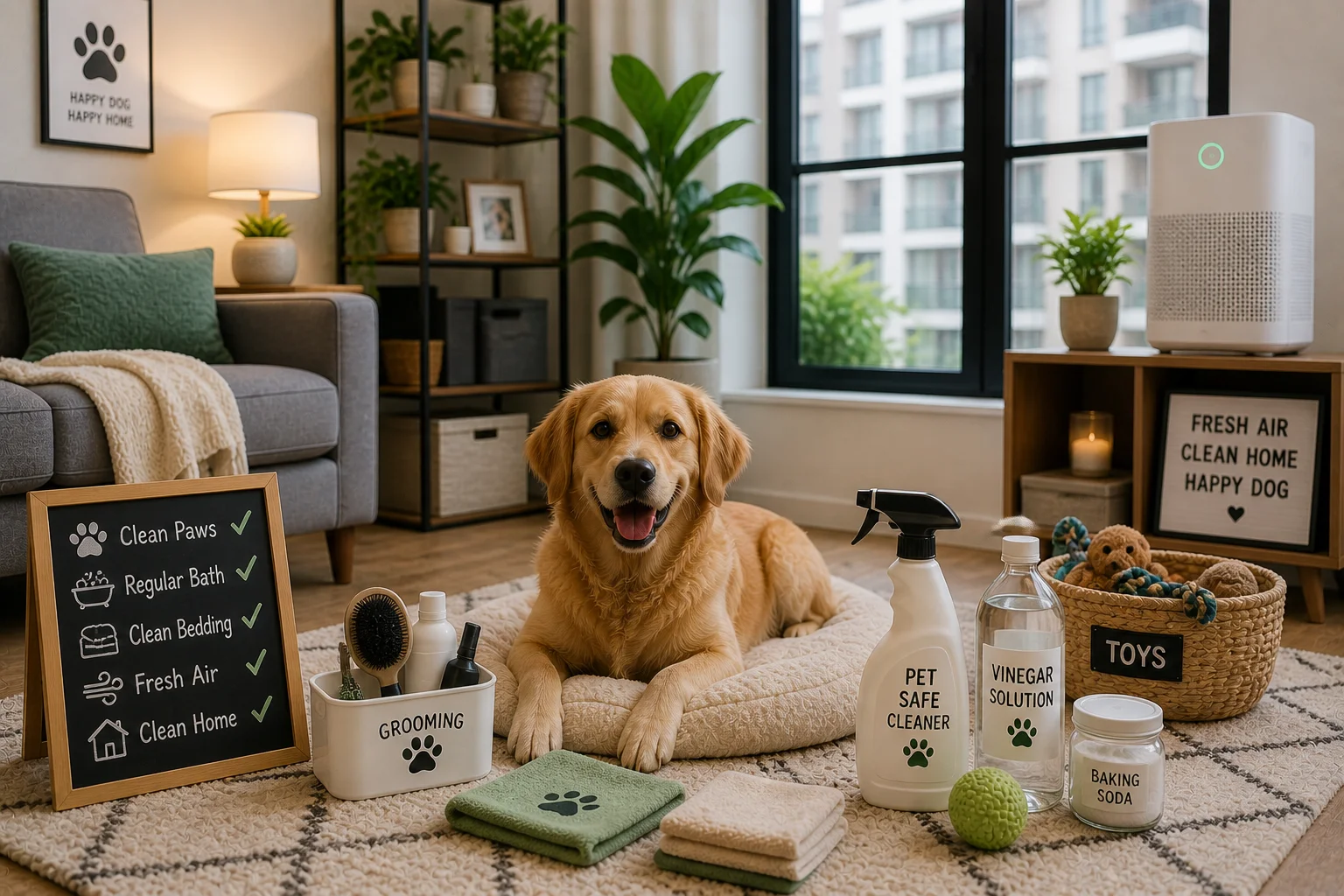
Living with a dog in an apartment brings companionship, joy, and comfort—but it can also bring unwanted odors if proper care is not taken. In smaller spaces, smells tend to accumulate faster and linger longer, making odor control an essential part of maintaining a clean and pleasant home environment.
Many dog owners assume that occasional cleaning or bathing is enough to control odors, but the reality is that dog smell often comes from multiple sources. These include your dog’s coat, bedding, food areas, and even the air circulation within your apartment.
The good news is that reducing dog smell is completely manageable with the right habits, routines, and preventative measures. You do not need expensive products or constant deep cleaning—what matters most is consistency and understanding where odors originate.
In this article, you will learn practical and effective strategies to reduce dog smell in apartments, maintain a fresh living space, and keep both you and your dog comfortable.
Understanding Where Dog Smell Comes From
Before solving the problem, it is important to understand its source.
Natural Dog Odor
Dogs naturally produce oils that protect their skin and coat. While normal, these oils can create a mild smell that becomes stronger without proper care.
Dirt and Outdoor Exposure
After walks, dogs may bring dirt, moisture, and environmental odors into your apartment.
Bedding and Fabrics
Dog beds, blankets, and furniture absorb odors over time, especially in small spaces.
Food and Saliva
Food spills, bowls, and drool can contribute to unpleasant smells.
Poor Ventilation
Apartments with limited airflow can trap odors, making them more noticeable.
Establishing a Cleaning Routine
Consistency is the most effective way to control odors.
Daily Cleaning Habits
Simple daily actions can make a big difference.
Wipe Paws After Walks
Cleaning your dog’s paws after outdoor walks prevents dirt and odor from spreading.
Clean Food Area
Wipe down feeding areas to prevent buildup of food residue.
Remove Visible Dirt
Quick cleaning of surfaces helps maintain freshness.
Weekly Cleaning Routine
A more thorough cleaning should be done regularly.
Vacuum Floors and Furniture
Hair and dirt contribute significantly to odor buildup.
Wash Dog Bedding
Clean your dog’s bed and blankets at least once a week.
Mop Hard Surfaces
Mopping removes dirt and neutralizes odors.
Grooming Your Dog Regularly
Your dog’s hygiene plays a major role in controlling smell.
Brushing
Regular brushing removes loose hair and distributes natural oils, reducing odor.
Bathing
Bath your dog every few weeks using a gentle, dog-safe shampoo.
Avoid overbathing, as it can cause skin issues and increase odor.
Ear Cleaning
Dirty ears can produce strong smells. Regular cleaning helps prevent this.
Dental Care
Bad breath can contribute to overall odor. Maintain proper dental hygiene.
Managing Fabrics and Soft Surfaces
Soft materials tend to trap odors more than hard surfaces.
Washable Covers
Use removable and washable covers for furniture and dog beds.
Frequent Laundry
Wash blankets, cushions, and fabrics regularly.
Choose Odor-Resistant Materials
Opt for materials that are easy to clean and less likely to absorb smells.
Improving Air Quality
Air circulation is essential in small spaces.
Ventilation
Open windows regularly to allow fresh air to circulate.
Air Purifiers
Using an air purifier can help remove odors and improve air quality.
Natural Air Freshening
Indoor plants and natural solutions can help maintain freshness.
Controlling Odor at the Source
Addressing the source is more effective than masking smells.
Clean Your Dog After Walks
Wipe your dog’s coat and paws to remove dirt and moisture.
Dry Wet Fur Immediately
Moisture can intensify odors, so dry your dog thoroughly.
Maintain Feeding Hygiene
Clean bowls regularly and avoid leaving food out for long periods.
Choosing the Right Cleaning Products
Not all cleaning products are suitable for pet environments.
Pet-Safe Cleaners
Use products that are safe for animals and effective against odors.
Avoid Strong Chemicals
Harsh chemicals may mask odors temporarily but can be harmful.
Neutralizing Products
Choose cleaners that eliminate odors rather than just covering them.
Reducing Odor in Carpets and Rugs
Carpets can trap smells and require special attention.
Regular Vacuuming
Vacuum frequently to remove hair and dirt.
Deep Cleaning
Occasional deep cleaning helps eliminate embedded odors.
Use Rugs Strategically
Place rugs in high-traffic areas to protect floors and simplify cleaning.
Managing Shedding and Hair
Hair buildup contributes to odor over time.
Frequent Brushing
Reduces loose hair and prevents accumulation.
Use Proper Tools
Choose brushes suited to your dog’s coat type.
Clean Hair Immediately
Do not allow hair to accumulate on surfaces.
Preventing Odor Buildup Over Time
Prevention is more effective than correction.
Stay Consistent
Regular cleaning and grooming prevent odors from becoming severe.
Monitor Your Dog’s Health
Unusual odors may indicate health issues that require attention.
Maintain Routine
A consistent routine keeps your environment fresh and manageable.
Common Mistakes to Avoid
Avoiding these mistakes can improve odor control.
Ignoring Small Odors
Minor smells can become major problems if not addressed.
Overusing Air Fresheners
Masking odors without cleaning does not solve the issue.
Inconsistent Cleaning
Irregular cleaning allows odors to build up.
Neglecting Dog Hygiene
Your dog’s condition directly affects your apartment’s smell.
Signs Your Apartment Is Odor-Free
You can tell your efforts are working when:
Fresh Air Quality
The space feels clean and neutral.
Minimal Lingering Smell
Odors do not persist after cleaning.
Clean Surfaces
Floors and fabrics remain fresh.
Comfortable Environment
Both you and your dog feel comfortable indoors.
Creating a Long-Term Odor Control Strategy
A sustainable approach ensures lasting results.
Combine Cleaning and Grooming
Both are essential for effective odor control.
Maintain a Schedule
Consistency is key to preventing buildup.
Adjust as Needed
Adapt your routine based on your dog’s needs and environment.
Final Thoughts
Reducing dog smell in apartments is not about eliminating your dog’s presence—it is about creating a clean, balanced, and comfortable environment for both of you. With the right combination of grooming, cleaning, and air management, you can maintain a fresh and inviting space even in a small apartment.
By focusing on consistency and addressing odors at their source, you can enjoy all the benefits of living with a dog without the discomfort of lingering smells. A clean environment not only improves your quality of life but also contributes to your dog’s health and well-being.
