
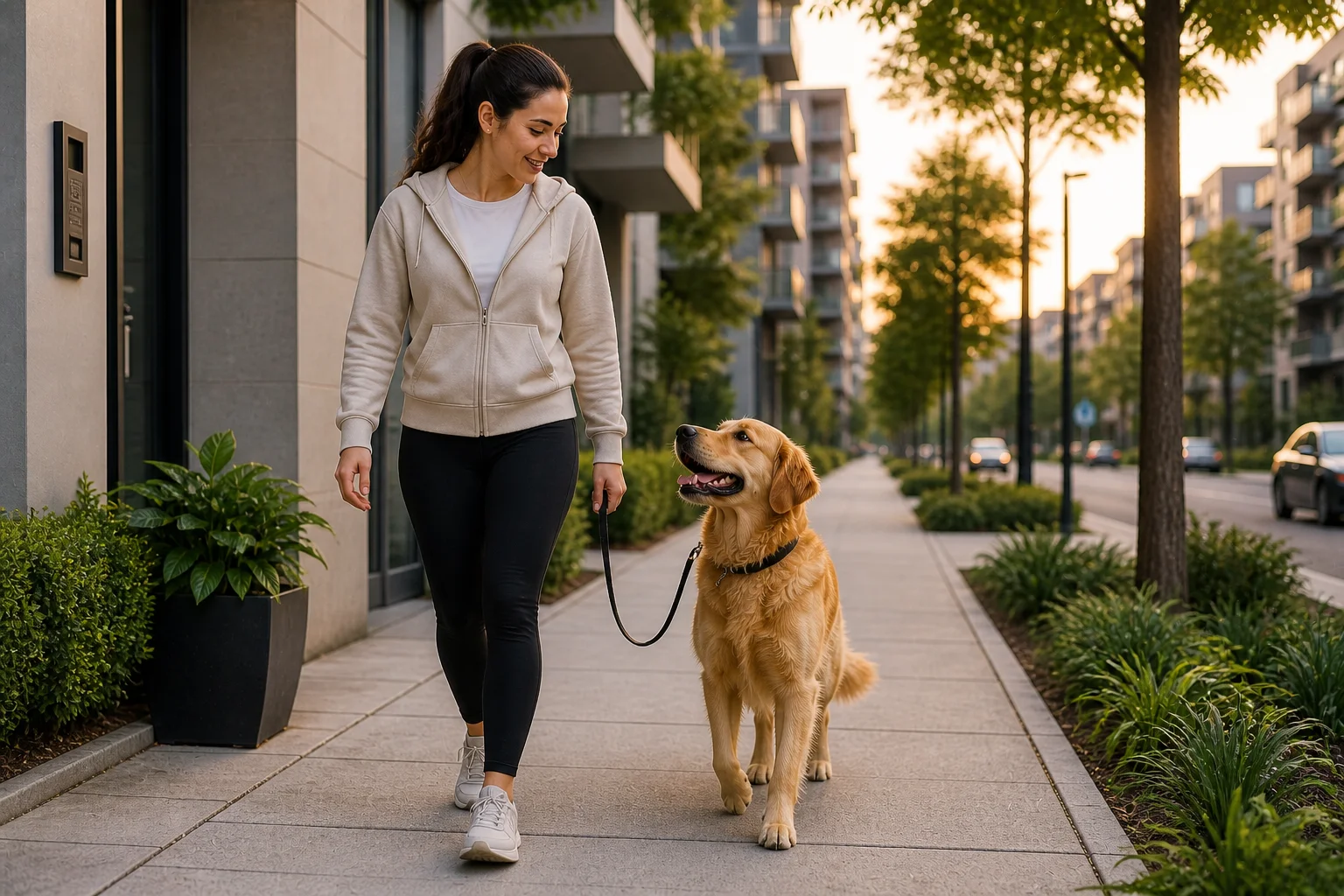
One of the most common questions among apartment dog owners is how often they should walk their dogs. Unlike dogs that live in houses with yards, apartment dogs depend almost entirely on walks for exercise, mental stimulation, and even basic needs like bathroom breaks. This makes walking not just a routine activity, but a critical part of your dog’s overall well-being.
Many owners either underestimate or overestimate the importance of walks. Some believe that short or occasional walks are enough, while others think that long, intense walks are always necessary. The truth lies in understanding your dog’s specific needs, which vary based on factors such as age, breed, energy level, and health.
In this article, you will learn how often you should walk your dog in an apartment, how to adjust the routine based on your dog’s needs, and how to create a walking schedule that promotes both physical and mental health.
Why Walking Is Essential for Apartment Dogs
Walking is not just about physical exercise—it plays a much broader role in your dog’s life.
Physical Health
Regular walks help maintain a healthy weight, improve cardiovascular health, and strengthen muscles and joints. Without enough exercise, dogs are more likely to develop obesity and related health issues.
Mental Stimulation
Walks provide exposure to new smells, sights, and sounds. This mental stimulation is essential for preventing boredom and reducing stress.
Behavioral Balance
A well-exercised dog is less likely to develop behavioral problems such as excessive barking, chewing, or hyperactivity.
Bathroom Needs
For apartment dogs, walks are often the primary opportunity to relieve themselves. Consistent walking schedules help establish good potty habits.
How Often Should You Walk Your Dog?
The ideal walking frequency depends on several factors, but there are general guidelines that can help.
Standard Recommendation
Most dogs should be walked at least two to three times per day. This includes:
- A morning walk to start the day
- A midday or afternoon walk (if possible)
- An evening walk to release energy before bedtime
This routine helps maintain balance and prevents discomfort.
Puppies
Puppies require more frequent walks due to their smaller bladder and higher energy levels. They may need to go outside every 2 to 4 hours.
Short, frequent walks are more effective than long ones.
Adult Dogs
Most adult dogs do well with two to three walks per day, depending on their energy level.
High-energy breeds may require longer or more frequent walks.
Senior Dogs
Older dogs may need fewer walks, but they still require regular activity to maintain health. Short, gentle walks are usually ideal.
Factors That Affect Walking Frequency
Understanding your dog’s specific needs is essential for creating the right routine.
Breed and Energy Level
Some breeds are naturally more active and require more exercise.
High-energy dogs need longer and more frequent walks, while low-energy breeds may be satisfied with shorter outings.
Size
Larger dogs may require more physical activity, but this is not always the case. Energy level is more important than size.
Health Condition
Dogs with health issues may require modified walking routines. Always consult a veterinarian if you are unsure.
Lifestyle
Your daily schedule plays a role in determining how often you can walk your dog. Finding a routine that works consistently is key.
Ideal Duration of Walks
In addition to frequency, the length of each walk is important.
Short Walks
Short walks of 10 to 15 minutes are useful for bathroom breaks and light activity.
Moderate Walks
Walks of 20 to 30 minutes provide a balance of exercise and stimulation.
Long Walks
Longer walks of 40 minutes or more are ideal for high-energy dogs.
Quality Over Quantity
A well-structured walk with exploration and engagement is more beneficial than a long but unengaging walk.
Signs Your Dog Needs More Walks
Your dog’s behavior can indicate whether it is getting enough exercise.
Excessive Energy
Hyperactivity indoors may indicate a lack of physical activity.
Destructive Behavior
Chewing or damaging objects can be a sign of boredom.
Restlessness
A dog that cannot settle may need more stimulation.
Weight Gain
Lack of exercise can lead to obesity.
Signs Your Dog May Be Over-Exercised
Too much exercise can also be harmful.
Fatigue
Excessive tiredness or reluctance to walk may indicate overexertion.
Limping or Discomfort
Physical discomfort should never be ignored.
Lack of Interest
A dog that avoids walks may need a reduced schedule.
How to Make Walks More Effective
Walking is not just about movement—it is about engagement.
Allow Exploration
Let your dog sniff and explore. This provides mental stimulation.
Vary Routes
Changing routes introduces new experiences and prevents boredom.
Incorporate Training
Use walks as an opportunity to reinforce commands and improve behavior.
Maintain a Calm Pace
Avoid rushing. A relaxed walk is more beneficial.
Adapting Walks to Apartment Living
Apartment living requires some adjustments.
Plan Your Timing
Avoid peak hours if your dog is reactive or anxious.
Use Elevators and Stairs Safely
Train your dog to behave calmly in shared spaces.
Be Considerate of Neighbors
Maintain control and cleanliness during walks.
Common Mistakes to Avoid
Avoiding these mistakes can improve your dog’s walking routine.
Inconsistent Schedule
Irregular walks can confuse your dog and lead to accidents.
Skipping Walks
Even on busy days, skipping walks can affect your dog’s behavior.
Rushing the Walk
Quick walks without engagement do not provide enough stimulation.
Ignoring Your Dog’s Needs
Each dog is different. Adjust the routine accordingly.
Creating a Walking Routine That Works
A successful routine should be consistent and realistic.
Morning
Start the day with a walk to release energy.
Afternoon
Include a midday walk if possible.
Evening
End the day with a longer walk to promote relaxation.
Final Thoughts
Walking is one of the most important aspects of caring for a dog in an apartment. It supports physical health, mental stimulation, and overall behavior.
By understanding your dog’s needs and creating a consistent walking routine, you can ensure a balanced and healthy lifestyle.
The key is not just how often you walk your dog, but how effectively you use that time to meet its physical and emotional needs. With the right approach, daily walks become more than a routine—they become an essential part of a happy and fulfilling life for your dog.
