
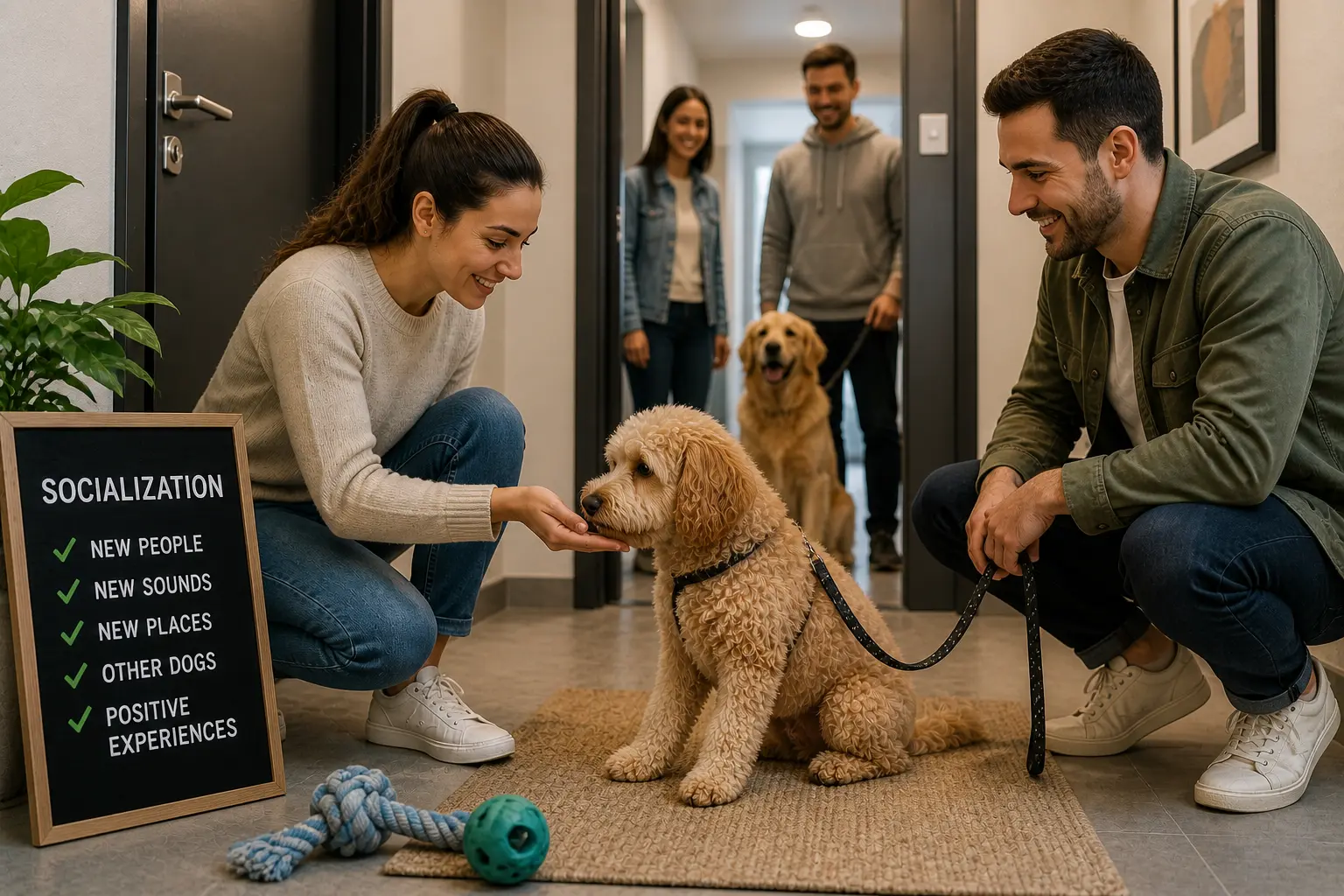
Socialization is one of the most important aspects of raising a well-behaved and balanced dog. It refers to the process of exposing your dog to different people, environments, sounds, and experiences in a positive and controlled way. While this process is essential for all dogs, it can feel more challenging for those living in apartments where space is limited and exposure to new environments may not happen naturally.
Many apartment dog owners worry that their pets will become anxious, fearful, or reactive due to limited interaction with the outside world. Without proper socialization, dogs may develop behavioral issues such as excessive barking, aggression, or fear of strangers and other animals.
The good news is that apartment living does not prevent proper socialization. With the right strategies and consistency, you can raise a confident, friendly, and well-adjusted dog even in a small space. In this article, you will learn how to socialize your dog effectively while living in an apartment and avoid common mistakes that can hinder the process.
Why Socialization Is Essential for Dogs
Socialization is not just about making your dog friendly—it is about helping it feel safe and confident in different situations.
Reduces Fear and Anxiety
Dogs that are exposed to various environments and experiences early in life are less likely to develop fear-based behaviors. They learn that new situations are not threats, which helps reduce anxiety.
Improves Behavior
A well-socialized dog is more likely to behave appropriately around people, other animals, and unfamiliar environments. This reduces the risk of aggression and excessive barking.
Builds Confidence
Confidence is key to a dog’s emotional well-being. Socialization helps dogs become more adaptable and less reactive to changes.
Enhances Quality of Life
A socialized dog can accompany its owner in more situations, such as walks, visits, and travel, making life more enjoyable for both.
Challenges of Socializing a Dog in an Apartment
Apartment living presents unique challenges that require a more intentional approach to socialization.
Limited Space
Apartments do not provide large areas for exploration, which means dogs may have fewer opportunities to encounter new stimuli naturally.
Controlled Environment
While this can be beneficial for safety, it may limit exposure to different sounds, people, and situations.
Noise Sensitivity
Apartment dogs may become overly sensitive to noises such as footsteps, doors, or elevators if not properly exposed.
Reduced Interaction
Without effort, dogs may have fewer chances to meet other dogs or people compared to those living in houses with outdoor access.
When to Start Socializing Your Dog
The best time to begin socialization is as early as possible.
Puppy Stage
Puppies are most receptive to new experiences between 3 and 14 weeks of age. During this period, they are more open to learning and less likely to develop fear.
Adult Dogs
While early socialization is ideal, adult dogs can still be socialized. The process may take more time and patience, but it is entirely possible.
Practical Ways to Socialize Your Dog in an Apartment
Socialization requires creativity and consistency, especially in smaller living spaces.
Introduce Different Sounds
Expose your dog to common apartment noises such as doors, footsteps, elevators, and appliances. Start with low intensity and gradually increase exposure.
This helps your dog become less reactive to everyday sounds.
Invite Visitors
Having friends or family visit your apartment allows your dog to interact with different people in a controlled environment.
Encourage calm behavior and reward your dog for positive interactions.
Take Regular Walks
Walks are one of the best opportunities for socialization. They expose your dog to new environments, people, and other animals.
Vary your walking routes to introduce new experiences.
Visit Dog-Friendly Areas
Parks, pet stores, and dog-friendly public spaces provide valuable opportunities for social interaction.
Ensure your dog is comfortable and avoid overwhelming it.
Use Positive Reinforcement
Reward your dog for calm and confident behavior during new experiences. This reinforces positive associations.
Gradual Exposure
Avoid overwhelming your dog with too many new experiences at once. Introduce new situations gradually and at a pace your dog can handle.
Socializing with Other Dogs
Interaction with other dogs is an important part of socialization.
Controlled Introductions
Introduce your dog to other dogs in a calm and controlled environment. Avoid crowded or chaotic situations.
Observe Body Language
Pay attention to your dog’s signals. Signs of stress or discomfort indicate that you should slow down the process.
Choose Compatible Dogs
Start with dogs that have a calm and friendly temperament to ensure positive experiences.
Socializing with People
Helping your dog feel comfortable around people is essential for apartment living.
Exposure to Different Individuals
Introduce your dog to people of different ages, appearances, and behaviors.
Encourage Calm Greetings
Teach your dog to greet people calmly rather than jumping or barking.
Avoid Forced Interaction
Allow your dog to approach people at its own pace. Forcing interaction can create fear.
Common Mistakes to Avoid
Socialization mistakes can lead to long-term behavioral issues.
Overwhelming the Dog
Too much exposure too quickly can cause stress and fear.
Ignoring Fear Signals
Failing to recognize signs of discomfort can worsen anxiety.
Lack of Consistency
Socialization should be an ongoing process, not a one-time effort.
Negative Experiences
Bad experiences can have a lasting impact. Always aim for positive interactions.
How to Socialize a Shy or Fearful Dog
Some dogs require extra patience during the socialization process.
Start Slowly
Begin with low-stress environments and gradually increase exposure.
Use Distance
Allow your dog to observe new situations from a safe distance before engaging.
Reward Progress
Celebrate small improvements to build confidence.
Avoid Pressure
Forcing a fearful dog into uncomfortable situations can worsen the problem.
Building a Socialization Routine
Consistency is key to successful socialization.
Daily Exposure
Incorporate new experiences into your daily routine, even if they are small.
Balanced Activities
Combine physical exercise with social interaction.
Monitor Progress
Track your dog’s behavior and adjust your approach as needed.
Final Thoughts
Socializing your dog while living in an apartment may require more effort, but it is entirely achievable. With patience, consistency, and the right strategies, you can raise a confident and well-adjusted dog even in a limited space.
By exposing your dog to new experiences, reinforcing positive behavior, and avoiding common mistakes, you create a foundation for a balanced and happy life.
A well-socialized dog is not only easier to manage but also more comfortable and confident in the world around it, making apartment living a positive experience for both of you.
