
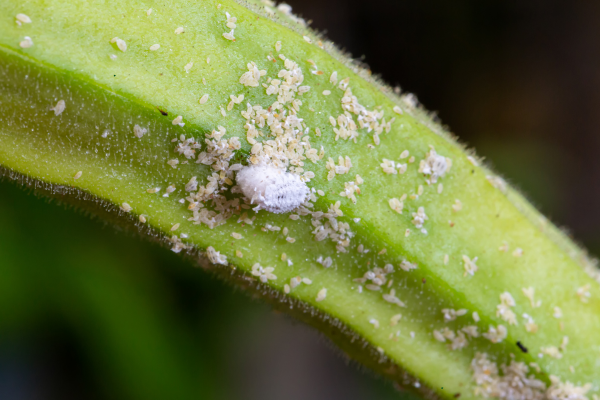
The first time I found mealybugs on a rare Haworthia, I didn’t even recognize what I was looking at at first. Just a faint, cottony fuzz tucked into the crevice between two leaves, easy to mistake for something harmless until I looked closer and realized it was moving, ever so slightly. That plant survived, but only after a fairly involved treatment process, and only because I caught it early enough. Mealybugs are, in my experience, the single most common pest problem serious succulent collectors deal with, and treating them safely on rare, sensitive specimens requires a somewhat different approach than what works fine on a common, expendable plant.
Recognizing Mealybugs Before They Spread
Mealybugs appear as small, soft-bodied insects covered in a distinctive white, waxy, cotton-like coating, typically clustering in protected areas of a plant: leaf joints, the tight center of a rosette, or along root systems where they’re not immediately visible at all. This waxy coating isn’t just camouflage, it also provides genuine physical protection against many contact-based treatments, which is part of why mealybugs prove more stubborn to eliminate than their small size might suggest.
Root mealybugs, a somewhat less commonly discussed variant, live entirely below the soil line, attacking root systems directly rather than visible foliage, and often go unnoticed until a plant shows unexplained decline despite otherwise appropriate care. This is worth checking for specifically whenever a rare succulent seems to be struggling without any of the more obvious watering, light, or temperature issues discussed throughout this series, since root mealybugs can be entirely invisible until you actually remove the plant from its pot to inspect the root system directly.
Why Standard Treatments Need Adjusting for Rare Species
Many common mealybug treatments, including certain chemical pesticides and even some concentrations of otherwise mild treatments like rubbing alcohol, carry real risk of damaging delicate plant tissue, particularly the kind of farina-coated, fuzzy, or otherwise sensitive surfaces common among many rare Echeveria and Haworthia varieties discussed throughout this series. A treatment that a hardy, common succulent would tolerate without issue can sometimes cause lasting damage, discoloration, or stress to a more delicate rare specimen, meaning treatment approaches genuinely need to be more conservative and carefully tested before broad application.
Manual Removal as a First Line of Defense
For a mild, early-stage infestation, particularly on a genuinely valuable rare specimen where you want to minimize any risk from broader chemical treatment, manual removal using a cotton swab dipped in rubbing alcohol, applied directly and carefully to visible mealybugs and their waxy coating, often provides an effective, low-risk first response. The alcohol dissolves the protective waxy coating on contact and kills the insect directly, while limiting exposure to just the specific spots being treated rather than the entire plant.
This approach demands patience and thoroughness, since mealybugs often hide in tight crevices that are easy to miss during a quick inspection, and any survivors left behind can simply repopulate the infestation within a couple of weeks. Checking the entire plant carefully, including the undersides of leaves and deep into any tight rosette centers, and repeating this manual treatment every few days over a couple of weeks, tends to catch newly hatched or previously missed insects before they have a chance to reestablish.
Using Insecticidal Soap Safely
For infestations too widespread for manual removal alone to be practical, insecticidal soap offers a somewhat gentler alternative to stronger chemical pesticides, working by breaking down the mealybug’s protective coating and outer body structure on contact rather than through systemic chemical action. Even with this relatively mild treatment, it’s worth testing on a small, less visible section of a rare or unusually delicate specimen first, waiting a day or two to check for any adverse reaction like discoloration or tissue damage, before applying it more broadly across the entire plant.
Applying insecticidal soap during cooler parts of the day, rather than under intense direct sun, helps avoid the kind of leaf burn that can occur when certain treatments are combined with strong light exposure, an interaction worth keeping in mind given how much we’ve emphasized appropriate light management throughout this series.
When Systemic Treatments Become Necessary
For particularly stubborn or widespread infestations, especially those involving root mealybugs that manual and topical treatments can’t effectively reach, systemic insecticides, absorbed by the plant and carried through its internal tissue to affect insects feeding on any part of the plant, sometimes become necessary. These treatments carry more inherent risk and should generally be considered a more serious intervention reserved for infestations that haven’t responded to gentler approaches, applied according to product-specific guidance regarding appropriate concentration and application method for succulents specifically, since dosing guidance developed for other plant types doesn’t always translate directly.
Given the more serious nature of systemic treatment, it’s worth researching product-specific succulent safety information carefully before use, and considering consultation with an experienced grower or specialized nursery familiar with your specific rare species if you’re uncertain whether a particular systemic product is appropriate for that plant’s particular sensitivities.
Isolating Affected Plants During Treatment
Mealybugs spread readily between plants positioned closely together, making isolation of any infested specimen an important step regardless of which specific treatment approach you’re using. This connects to the broader quarantine practice discussed in How to Quarantine a New Succulent Before Adding to Your Collection, though in this context the isolation serves to protect your existing healthy collection from an infestation that’s already established, rather than preventing a new arrival from introducing pests in the first place.
Continuing this isolation throughout the entire treatment period, and for a couple of weeks afterward even once the plant appears clear, helps catch any resurgence before it has a chance to spread back into your main collection, since mealybugs can sometimes persist in small, hard-to-detect numbers even after a treatment that initially seemed successful.
Preventing Future Infestations
Regular, routine inspection of your collection, checking the same tight crevices and hidden spots where mealybugs typically first establish, catches new infestations early, when the gentler manual removal approach remains a viable, low-risk option rather than requiring escalation to stronger treatments. This kind of routine checking becomes particularly valuable specifically because early mealybug infestations are so easy to overlook entirely, tucked away in spots that don’t get much attention during casual observation.
Maintaining generally good growing conditions, appropriate light, careful watering, and adequate airflow discussed throughout this series, also seems to correlate with reduced pest vulnerability overall, likely because stressed, weakened plants tend to be more susceptible to pest establishment than genuinely healthy, well-cared-for specimens, though this isn’t an absolute guarantee against infestation by any means.
Staying Patient Through Treatment
Successfully clearing a mealybug infestation, particularly on a rare, sensitive specimen where you’re being appropriately cautious about treatment strength, often takes several weeks of consistent, repeated effort rather than a single treatment application. It’s worth resisting the temptation to escalate to stronger treatments too quickly out of frustration with a slow-resolving infestation, since the gentler approaches, given enough consistent repetition, often succeed without needing to risk the additional stress that stronger chemical treatments can place on an already pest-stressed rare plant. That patience, combined with the careful, methodical checking this process demands, tends to be what ultimately determines whether a rare specimen recovers fully or ends up permanently weakened by either the infestation itself or an overly aggressive treatment response to it.
